New Research Reveals How Oatmeal Lowers Cholesterol (It's Not Just Fiber)
New Research Reveals Why Oatmeal May Lower Cholesterol Better Than We Thought
For years, oatmeal has been one of the most recommended foods for heart health. Doctors, dietitians, and health organizations have consistently pointed to oats as a simple, affordable way to help maintain healthy cholesterol levels. Most explanations focus on one key nutrient: beta-glucan, a type of soluble fiber found naturally in oats.
But according to new research published in Nature Communications, there may be much more to the story.
Researchers recently discovered that oats appear to trigger the production of beneficial compounds by your gut microbiome that may play a direct role in cholesterol metabolism. In other words, the cholesterol-lowering effects of oats may not come solely from the fiber they contain—but also from what your gut bacteria do with those nutrients after you eat them.
This discovery adds another layer to our understanding of why oats have remained one of the most consistently recommended foods for cardiovascular health.
Why Cholesterol Matters
Before diving into the study, it's important to understand why cholesterol receives so much attention.
While cholesterol itself isn't inherently bad, elevated levels of LDL cholesterol (often referred to as "bad cholesterol") are associated with an increased risk of cardiovascular disease.
High LDL cholesterol can contribute to plaque buildup inside arteries, potentially increasing the risk of:
- Heart attack
- Stroke
- Coronary artery disease
- Poor cardiovascular health
Because cardiovascular disease remains one of the leading causes of death worldwide, researchers continue searching for dietary strategies that can naturally support healthy cholesterol levels.
Oats have consistently ranked near the top of that list.
The New Oatmeal Study
The study involved 68 adults diagnosed with metabolic syndrome, a cluster of conditions that often includes elevated blood pressure, abdominal obesity, insulin resistance, and abnormal cholesterol levels.
Researchers wanted to investigate not only whether oats lowered cholesterol, but also how they produced those effects.
Participants completed two separate oat interventions:
- High-dose intervention: 300 grams of oats per day for two days.
- Moderate intervention: 80 grams of oats per day for six weeks.
Researchers analyzed:
- Blood cholesterol levels
- Gut microbiome composition
- Metabolites produced after oat consumption
- Changes in cholesterol metabolism pathways
The results surprised even the researchers.
The Results: Significant Cholesterol Reductions
Following the high-dose oat intervention, participants experienced meaningful improvements in blood lipid markers.
- LDL cholesterol decreased by approximately 16.26 mg/dL
- Total cholesterol decreased by approximately 15.61 mg/dL
- Beneficial gut-derived metabolites increased significantly
While these findings reinforce decades of previous oat research, the most exciting discovery involved what happened inside the participants' gut microbiomes.
The Gut Microbiome Connection
Your gut contains trillions of microorganisms that influence digestion, immune function, metabolism, and overall health.
When you eat oats, not every component is immediately absorbed into the bloodstream. Some compounds travel to the large intestine where they interact with gut bacteria.
The bacteria then break down these compounds into new substances known as metabolites.
Researchers identified two metabolites that increased significantly after oat consumption:
- Ferulic Acid (FA)
- Dihydroferulic Acid (DHFA)
These compounds are generated through microbial activity and appear to influence cholesterol metabolism in ways scientists are only beginning to understand.
Of particular interest was DHFA, which showed strong associations with improved cholesterol regulation.
The findings suggest that part of oatmeal's cholesterol-lowering power may originate from interactions between dietary compounds and the gut microbiome.
Why This Discovery Matters
Historically, oats have been recommended because of their beta-glucan content.
Beta-glucan works by forming a gel-like substance inside the digestive tract that helps:
- Reduce cholesterol absorption
- Increase cholesterol excretion
- Improve blood sugar regulation
- Support satiety and fullness
This mechanism is well-established and supported by numerous clinical trials.
However, the new research suggests oats may provide an additional cholesterol-lowering pathway through gut microbiome-derived metabolites.
Rather than a single mechanism, oats may deliver cardiovascular benefits through multiple biological systems working together.
That's significant because it helps explain why oat consumption consistently shows benefits across different populations and research studies.
What Makes Oats Such a Nutritional Powerhouse?
Beyond their cholesterol-lowering potential, oats provide an impressive nutritional profile.
- Soluble fiber
- Complex carbohydrates
- B vitamins
- Magnesium
- Iron
- Polyphenols
- Antioxidants
Oats are also one of the richest dietary sources of beta-glucan, which has been extensively studied for its role in cardiovascular health.
Because of this evidence, both the FDA and EFSA recognize oat beta-glucan as supporting healthy cholesterol levels when consumed as part of a balanced diet.
How Much Oatmeal Should You Eat?
The study used amounts that exceed what most people eat daily.
Fortunately, previous research has shown benefits from much more realistic serving sizes.
A typical serving of oatmeal provides approximately 2–4 grams of beta-glucan depending on the type and serving size.
Many health organizations recommend consuming at least 3 grams of oat beta-glucan daily to support healthy cholesterol levels.
This can typically be achieved through:
- A bowl of oatmeal
- Overnight oats
- Oat-based smoothies
- Oat bran products
Supporting Your Gut Microbiome May Be Just As Important
One of the most interesting takeaways from this study is the growing importance of gut health.
The cholesterol benefits observed weren't simply the result of eating oats. They were partly driven by what participants' gut bacteria produced after consuming oats.
This reinforces the idea that a healthy gut microbiome may influence how effectively your body responds to nutritious foods.
To support a healthy microbiome:
- Eat more fiber-rich foods
- Consume fruits and vegetables regularly
- Include fermented foods when appropriate
- Stay physically active
- Manage stress
- Prioritize quality sleep
A Convenient Way To Support Daily Nutrition
While whole foods should always form the foundation of a healthy diet, supplements can help fill nutritional gaps and support overall wellness.
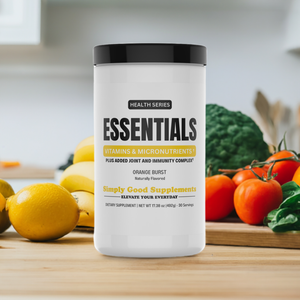
That's one reason we created Essentials Vitamin & Nutrient Complex.
Essentials contains 200 mg of beta-glucan per serving alongside probiotics, vitamins, minerals, and other foundational nutrients designed to support everyday health.
While it isn't a replacement for eating oats or maintaining a nutrient-rich diet, it can complement healthy lifestyle habits and help support your overall wellness routine.
Combined with fiber-rich foods like oatmeal, Essentials offers a convenient way to support both nutritional intake and gut health.
The Future of Nutrition Is Personal
Research continues to reveal that nutrition isn't simply about calories, carbohydrates, fats, and proteins.
Increasingly, scientists are discovering that our gut microbiomes influence how foods affect our bodies.
The same bowl of oatmeal may produce slightly different effects depending on the composition of an individual's gut bacteria.
This emerging field of personalized nutrition may eventually transform how dietary recommendations are made.
For now, however, one message remains remarkably consistent:
Regularly eating nutrient-dense, fiber-rich foods like oats appears to be one of the simplest and most evidence-backed strategies for supporting long-term cardiovascular health.
The Bottom Line
New research suggests oatmeal lowers cholesterol through more than just its fiber content.
Scientists found that compounds produced by the gut microbiome after eating oats may contribute directly to improvements in cholesterol metabolism.
Combined with the well-established benefits of beta-glucan, these findings provide even stronger evidence that oats deserve their reputation as one of the healthiest foods you can eat for heart health.
If you're looking for a simple habit that may benefit both your cardiovascular system and your gut microbiome, starting your day with a bowl of oatmeal remains a smart place to begin.
References
- Zhang X, et al. Cholesterol-lowering effects of oats induced by microbially produced phenolic metabolites in metabolic syndrome: a randomized controlled trial. Nature Communications. 2026.
- Whitehead A, Beck EJ, Tosh S, Wolever TMS. Cholesterol-lowering effects of oat β-glucan: a meta-analysis of randomized controlled trials. American Journal of Clinical Nutrition. 2014.
- Food and Drug Administration. Oat Beta-Glucan and Coronary Heart Disease Health Claim.
- European Food Safety Authority. Scientific Opinion on oat beta-glucan and maintenance of normal blood cholesterol concentrations.