Sauna Heat Training Calculator
Race Heat Training Calculator
Based on published heat acclimation principles popularized by endurance coach Jason Koop. This provides educational guidance rather than medical advice.
Heat Training for Runners: Use Our Free Sauna Calculator to Build Your Race-Day Heat Plan
If your next marathon, ultramarathon, half marathon, or trail race is expected to be hot, your training plan shouldn't focus solely on miles—it should also prepare your body for the heat.
Heat can dramatically affect performance, increasing heart rate, perceived effort, dehydration, and fatigue. Fortunately, research shows that a structured heat acclimation plan can help your body adapt, making it easier to perform when temperatures rise.
To make planning simple, we've created a free Heat Training Calculator that builds a personalized sauna protocol based on your race date, expected temperatures, and experience level.
Whether you have access to a dry sauna, steam room, or hot bath, the calculator provides a practical schedule to help you arrive at the starting line better prepared.
Why Train in the Heat?
Heat acclimation is exactly what it sounds like—gradually exposing yourself to hot environments so your body becomes more efficient at regulating temperature.
Over time, your body begins to adapt by:
- Sweating earlier during exercise
- Producing more sweat to improve cooling
- Expanding blood plasma volume
- Lowering heart rate during exercise
- Reducing perceived effort
- Better maintaining performance in hot conditions
These changes don't happen overnight. Most athletes begin noticing meaningful improvements after about one to two weeks of consistent heat exposure, with many of the key adaptations developing over approximately two weeks.
How Sauna Training Mimics Heat Acclimation
Not everyone lives in a hot climate, but that's where sauna training becomes incredibly useful.
Instead of waiting for summer weather, you can create a controlled heat stimulus after your workouts.
Many endurance coaches recommend completing sauna sessions after easy runs or aerobic workouts, allowing you to train your cardiovascular system while adding heat stress once the workout is complete.
The goal isn't to "survive" the sauna—it's to consistently expose your body to manageable heat so adaptation can occur over time.
Who Should Use Heat Training?
Heat training can benefit athletes preparing for:
- Marathons
- Half marathons
- Ultramarathons
- Trail races
- Ironman and triathlon events
- Cycling races
- Hiking or backpacking adventures in hot climates
Even if race-day temperatures end up being moderate, improved heat tolerance can still make training feel easier during warmer days.
How Our Heat Training Calculator Works
Our calculator creates a customized schedule using several important factors:
- Your race date
- Expected race-day temperatures
- Your previous heat training experience
- Whether you have access to a dry sauna, steam room, or hot bath
From there, it generates:
- Weekly heat training sessions
- Recommended session duration
- A progressive schedule leading into race day
- Guidance on when to taper heat exposure
- Hydration reminders throughout the process
Instead of guessing how much sauna work to do, you'll receive a structured plan designed to help you build heat tolerance safely.
Don't Forget Hydration
One of the biggest mistakes athletes make during heat training is replacing water but forgetting electrolytes.
As your body adapts, you'll likely begin sweating more efficiently—and often more heavily. While that's a positive adaptation, it also means you're losing more sodium and fluids.
To stay ahead of dehydration:
- Drink fluids before your sauna session.
- Rehydrate afterward based on how much you sweat.
- Include electrolytes to replace sodium lost through perspiration.
- Continue normal hydration throughout the day.
Supporting hydration during your heat training block helps you recover better and maintain training quality.
Support Your Heat Training with Hydration
Heat training only works if you can recover from it.
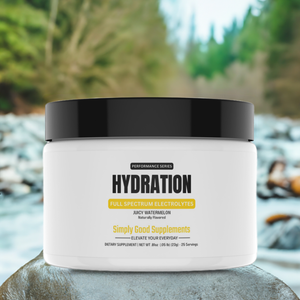
Simply Good Hydration is formulated with electrolytes to help replenish what you lose through sweat, making it an excellent addition to your heat acclimation routine. Whether you're heading into the sauna after a run or preparing for a long workout in warm weather, staying hydrated can help you feel and perform your best.
Tips for Safe Sauna Training
Heat training should be progressive—not extreme.
Keep these guidelines in mind:
- Perform sauna sessions after your workout rather than before.
- Start with shorter sessions if you're new to heat training.
- Build duration gradually over several weeks.
- Stop immediately if you feel dizzy, lightheaded, or unwell.
- Allow at least one to two days without heat exposure immediately before racing.
- Stay consistent rather than trying to cram heat sessions into the final week.
If you have cardiovascular disease, uncontrolled high blood pressure, are pregnant, or have another medical condition that affects heat tolerance, consult your healthcare provider before beginning a heat-training program.
Build Your Personalized Heat Plan
Every race is different, and every athlete responds differently to heat.
Instead of guessing how much sauna training you need, use our free Heat Training Calculator to generate a personalized plan based on your race, experience, and available equipment.
Whether you're preparing for your first marathon or your next ultramarathon, a structured heat acclimation plan can help you arrive at the start line more confident—and better prepared for whatever the forecast brings.
Try the Heat Training Calculator today and start building your race-day heat advantage.
References
- Périard JD, Racinais S, Sawka MN. Adaptations and mechanisms of human heat acclimation. Temperature. 2015.
- Tyler CJ, Reeve T, Hodges GJ, Cheung SS. The effects of heat adaptation on exercise performance in the heat. Sports Medicine. 2016.
- Garrett AT, Goosens NG, Rehrer NJ, et al. Short-term heat acclimation is effective and may be enhanced rather than impaired by dehydration. American Journal of Human Biology. 2014.
- Sawka MN, Leon LR, Montain SJ, Sonna LA. Integrated physiological mechanisms of exercise performance, adaptation, and maladaptation to heat stress. Comprehensive Physiology. 2011.