6 Supplements To Help You Handle The Heat
6 Supplements To Help You Handle The Heat
Training, racing, or working in hot weather can crush performance fast. As temperatures rise, your body has to work harder to cool itself, maintain hydration, preserve blood flow, and keep muscles functioning properly.
The result? Higher heart rates, faster fatigue, greater sweat losses, reduced endurance, and an increased risk of heat-related illness.
While no supplement replaces proper hydration, heat acclimation, pacing, and cooling strategies, certain supplements may help your body tolerate heat stress more effectively.
Here are six evidence-backed supplements that may help improve hydration, circulation, cellular function, and performance during hot weather training and competition.
1. Glycerol
What Is Glycerol?
Glycerol is a naturally occurring compound that helps the body retain water. It has been used for decades by endurance athletes and military personnel to improve hydration before exercise in hot environments.
How Glycerol Helps In The Heat
One of the biggest problems during exercise in the heat is maintaining blood volume and hydration status. Heavy sweating reduces plasma volume, making it harder to cool the body and deliver oxygen to muscles.
Glycerol helps increase fluid retention when consumed with water, temporarily increasing total body water levels before exercise.
- Improved hydration status
- Better fluid retention
- Reduced cardiovascular strain
- Delayed dehydration
- Improved endurance performance in the heat
Dose
Typical glycerol hyperhydration protocols use:
- 1–1.5 g per kg of body weight
- Combined with plenty of water
When To Take It
Take glycerol approximately 60–120 minutes before exercise in hot conditions.
2. Betaine
What Is Betaine?
Betaine, also known as trimethylglycine, is a compound naturally found in foods like beets, spinach, and whole grains. It acts as an osmolyte, helping cells maintain fluid balance.
How Betaine Helps In The Heat
Betaine may improve cellular hydration and help the body better tolerate heat stress during exercise.
- Improved cellular hydration
- Enhanced fluid balance
- Reduced heat strain
- Support for endurance and power output
Dose
Most research uses:
- 2.5–6 grams daily
When To Take It
Betaine works best when taken consistently every day, ideally for at least 1–2 weeks before a major event in the heat.
3. Taurine
What Is Taurine?
Taurine is an amino acid-like compound involved in hydration, electrolyte balance, muscle function, and nervous system regulation.
How Taurine Helps In The Heat
Taurine helps regulate fluid movement inside cells and may improve hydration and thermoregulation during hot-weather exercise.
- Improved cellular hydration
- Better electrolyte balance
- Reduced muscle cramping risk
- Lower oxidative stress
- Improved endurance performance
Dose
- 1–6 grams daily
- A common pre-workout range is 1–3 grams
When To Take It
Take taurine 30–90 minutes before exercise or consistently throughout intense training blocks.
4. Electrolytes
What Are Electrolytes?
Electrolytes are minerals that regulate hydration, muscle contractions, nerve signaling, and fluid balance.
The major electrolytes lost in sweat include:
- Sodium
- Potassium
- Magnesium
- Calcium
How Electrolytes Help In The Heat
During prolonged sweating, replacing only water without electrolytes can impair hydration and performance.
- Improved hydration
- Maintained plasma volume
- Reduced cramping risk
- Better endurance performance
- Reduced fatigue in hot conditions
Dose
Sodium needs vary, but most athletes need approximately:
- 300–1000+ mg sodium per hour during exercise
When To Take Them
Electrolytes can be consumed before, during, and after exercise depending on sweat rate and workout duration.
Recommended Hydration Support
Looking for a simple way to stay hydrated during hot-weather training and racing?
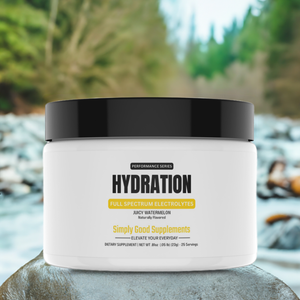
Simply Good Supplements Quench Hydration provides electrolytes designed to support hydration, endurance performance, and recovery during tough conditions.
Shop Quench Hydration5. Creatine
What Is Creatine?
Creatine is one of the most researched supplements in sports nutrition and is best known for improving strength, power, and recovery.
How Creatine Helps In The Heat
Creatine increases intracellular water retention, meaning more water is stored inside muscle cells. This may improve hydration and reduce heat-related physiological strain.
- Improved hydration status
- Reduced thermal strain
- Improved exercise performance
- Enhanced recovery
- Reduced heart rate during exercise
Dose
Two common creatine protocols include:
- Loading: 20 g daily for 5–7 days
- Maintenance: 3–5 g daily
When To Take It
Creatine works through daily consistency more than precise timing.
Recommended Creatine
Simply Good Supplements Creatine Monohydrate delivers the gold-standard form of creatine for performance, recovery, hydration support, and training capacity.
Shop Creatine Monohydrate6. Nitrates
What Are Nitrates?
Dietary nitrates are naturally found in foods like beets, spinach, celery, and arugula. In the body, nitrates are converted into nitric oxide, which helps improve circulation and blood flow.
How Nitrates Help In The Heat
Heat places major stress on the cardiovascular system because blood must be directed to both working muscles and the skin for cooling.
Nitric oxide may help improve circulation and oxygen delivery while reducing the oxygen cost of exercise.
- Improved blood flow
- Enhanced oxygen delivery
- Improved exercise efficiency
- Reduced perceived exertion
- Support for endurance performance
Dose
- 400–800 mg nitrates
When To Take Them
Take nitrates approximately 2–3 hours before exercise.
Recommended Nitric Oxide Support
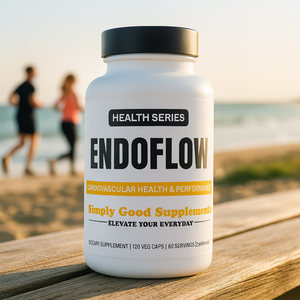
Simply Good Supplements EndoFlow Blood Flow Enhancer is designed to support nitric oxide production, circulation, endurance, and oxygen delivery during training and competition.
Shop EndoFlowFinal Thoughts
Heat can dramatically reduce performance, recovery, and comfort during training and competition. But with the right hydration, acclimation, pacing, and supplementation strategies, you can improve your ability to tolerate hot conditions.
Supplements like glycerol, betaine, taurine, electrolytes, creatine, and nitrates may help support hydration, circulation, thermoregulation, and endurance performance when temperatures rise.
Always test supplements during training before race day and adjust your hydration strategy based on your sweat rate, exercise duration, and environmental conditions.