Heat Training 101: Tips And Tricks To Dominate Hot Weather Races And Workouts
When temperatures rise, endurance performance usually falls.
Even highly trained athletes can see dramatic drops in pace, power output, and recovery during hot-weather training and racing. But while heat can be brutal, the good news is that the human body is remarkably adaptable.
With the right approach, athletes can improve their ability to tolerate heat, maintain performance, reduce dehydration risk, and recover more effectively during summer training and racing.
This process is known as heat acclimation or heat adaptation and it’s one of the most evidence-backed strategies endurance athletes can use before racing in hot conditions.
This guide breaks down the science of heat training, hydration, electrolytes, cooling strategies, and practical tips to help you perform better when temperatures climb.
Why Heat Makes Exercise So Much Harder
Hot-weather exercise stresses nearly every major physiological system in the body.
As core temperature rises, your body must:
- Redirect blood flow toward the skin for cooling
- Sweat more aggressively
- Maintain fluid balance
- Stabilize heart rate
- Preserve muscle function
This creates competition between cooling demands and exercise demands.
Researchers consistently show that heat exposure increases:
- Cardiovascular strain
- Perceived exertion
- Glycogen utilization
- Dehydration risk
- Fatigue
...while decreasing endurance performance.
In simple terms: hot weather makes the same effort feel much harder.
What Is Heat Acclimation?
Heat acclimation refers to the body's physiological adaptations that occur after repeated exposure to exercise in hot conditions.
Typically, meaningful adaptations begin occurring within:
- 4–7 days
- With larger adaptations over 10–14 days
Researchers have found heat acclimation can lead to:
- Lower heart rate during exercise
- Increased sweat rate
- Earlier onset of sweating
- Improved plasma volume
- Reduced core temperature
- Better fluid retention
- Improved endurance performance in heat
These changes make exercise in hot environments feel more manageable and physiologically efficient.
How to Heat Train Effectively
Heat adaptation does not require extreme suffering.
In fact, excessively hard sessions in the heat can backfire by increasing fatigue and impairing recovery.
The goal is controlled, repeated exposure.
Start Gradually
One of the biggest mistakes athletes make is jumping directly into intense heat sessions.
A better approach:
- Start with shorter sessions
- Use lower intensity initially
- Progressively increase heat exposure over 1–2 weeks
Researchers generally recommend:
- 60–90 minutes of heat exposure daily
- Approximately 7–14 days before a hot-weather race
Prioritize Consistency Over Brutality
You do not need every session to be miserable.
Steady repeated exposure is more effective than occasional “hero workouts” in extreme heat.
Easy aerobic sessions in warm conditions are often sufficient to stimulate meaningful adaptations.
Use Indoor Heat Exposure If Needed
If your climate is cool, athletes can still simulate heat stress through:
- Overdressing slightly during indoor rides
- Sauna use after training
- Hot baths post-exercise
- Indoor trainer sessions without aggressive cooling
Some studies suggest post-exercise sauna exposure may support heat adaptation and plasma volume expansion.
Hydration: The Foundation of Heat Performance
Hydration is one of the most important variables in hot-weather performance.
Sweat losses can exceed:
- 1–2+ liters per hour
- Sometimes substantially higher in large or highly trained athletes
Dehydration increases:
- Cardiovascular strain
- Core temperature
- Perceived exertion
- Cramping risk
- Performance decline
Even modest dehydration can impair endurance performance.
Why Water Alone Often Isn’t Enough
Many athletes make the mistake of replacing sweat losses with only plain water.
But sweat contains critical electrolytes, especially:
- Sodium
- Potassium
- Chloride
- Magnesium
Replacing fluid without electrolytes may increase the risk of:
- Cramping
- Poor fluid absorption
- Fatigue
- Hyponatremia in severe cases
Sodium is especially important because it helps:
- Maintain plasma volume
- Improve fluid retention
- Stimulate thirst
- Support nerve and muscle function
A Practical Hot Weather Hydration Strategy
Before Exercise
- Begin sessions well hydrated
- Consume fluids with sodium before long hot workouts
- Avoid starting dehydrated
During Exercise
For sessions over 60–90 minutes in heat:
- Replace fluids consistently
- Include electrolytes
- Match intake to sweat rate when possible
After Exercise
- Rehydrate gradually
- Replace sodium losses
- Continue fluid intake after training
Sweat Testing Can Be Extremely Helpful
Some athletes lose far more sodium than others.
Heavy “salty sweaters” often notice:
- Salt crust on clothing
- Frequent cramping
- White residue on skin
- Strong sweat saltiness
Personalized hydration strategies can significantly improve performance and reduce GI distress during long hot events.
Cooling Strategies That Actually Work
Cooling the body before and during exercise can improve performance in hot conditions.
Research-supported methods include:
Pre-Cooling
- Ice slurries
- Cold fluids
- Cooling towels
- Cold water immersion
During Exercise
- Pouring water over the body
- Cold aid-station fluids
- Ice in hats or sleeves
- Strategic pacing
Pacing Adjustments Matter
One of the fastest ways to implode during a hot-weather race is pacing based on cool-weather expectations.
Smart athletes:
- Slow down early
- Control effort
- Monitor heart rate
- Respect conditions
This often leads to stronger finishes and fewer catastrophic blowups later in races.
Nutrition Becomes Even More Important in the Heat
Heat increases carbohydrate utilization and physiological stress.
Athletes who underfuel in the heat often experience:
- Elevated perceived exertion
- GI distress
- Reduced power output
- Increased fatigue
Maintaining carbohydrate intake during long sessions becomes even more important in hot conditions.
The Role of Electrolyte Supplements
Electrolyte products can help athletes more effectively replace sweat losses and support hydration during hot-weather training and racing.
Featured Hydration Support
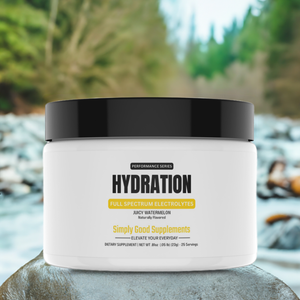
One option designed specifically for hydration and electrolyte replacement is Quench Hydration by Simply Good Supplements .
According to the formula details, Quench Hydration includes:
- Sodium
- Potassium
- Magnesium
- Calcium
- Trace minerals
These electrolytes are designed to support:
- Hydration
- Fluid absorption
- Endurance performance
- Recovery
- Heat training demands
For athletes training in high heat or sweating heavily, having a consistent electrolyte strategy can make a major difference during summer training blocks and races.
Common Heat Training Mistakes
Going Too Hard Too Soon
Fitness does not guarantee heat adaptation. Even elite athletes require time to acclimate.
Ignoring Electrolytes
Water-only hydration strategies often fail during long hot sessions.
Using Pace Instead of Effort
Hot-weather pacing should usually be adjusted downward.
Waiting Until Race Week
Heat adaptation takes time. Starting acclimation only a day or two before competition limits benefits substantially.
Do You Lose Fitness Training in the Heat?
Not necessarily.
Heat training may temporarily reduce pace or power output during workouts, but that does not automatically mean fitness is declining.
Some research suggests heat acclimation may improve:
- Plasma volume
- Cardiovascular efficiency
- Thermoregulation
...which may transfer positively to cooler conditions as well.
Signs You Need to Back Off
Heat illness is serious.
Athletes should stop exercise and seek medical attention if experiencing:
- Confusion
- Dizziness
- Cessation of sweating
- Vomiting
- Severe chills
- Collapse
- Disorientation
Practical Heat Training Checklist
2–3 Weeks Before a Hot Race
- Increase heat exposure gradually
- Begin structured hydration planning
- Practice race fueling in heat
1 Week Before
- Continue consistent heat sessions
- Prioritize sleep and recovery
- Avoid digging a fatigue hole
Race Week
- Stay hydrated
- Increase sodium awareness
- Reduce unnecessary stress
- Adjust pacing expectations
Race Day
- Start conservatively
- Hydrate early
- Use cooling strategies
- Monitor effort, not ego
Final Thoughts
Hot-weather racing is never easy — but athletes can dramatically improve their ability to perform in the heat through intelligent acclimation, hydration, fueling, and pacing strategies.
The goal of heat training is not to “toughen up.” It’s to help your body adapt physiologically so hard efforts become more manageable under stressful environmental conditions.
The athletes who perform best in the heat are rarely the ones who simply suffer the most. They’re usually the athletes who:
- Prepare early
- Hydrate intelligently
- Respect pacing
- Fuel consistently
- Adapt strategically
And while no hydration product can replace proper training and acclimation, Quench Hydration by Simply Good Supplements can help support fluid balance, electrolyte replacement, and performance during demanding summer training and racing.
Ultimately, mastering hot-weather performance is less about toughness and more about preparation, adaptation, and execution.
References & Scientific Literature
- Tyler CJ et al. The effects of heat adaptation on physiology and performance. Sports Medicine.
- Périard JD et al. Strategies and considerations for heat acclimation. Frontiers in Sports and Active Living.
- American College of Sports Medicine: Exercising in the Heat.
- Casa DJ et al. National Athletic Trainers’ Association position statement: exertional heat illnesses.
- Sawka MN et al. Exercise and fluid replacement. American College of Sports Medicine Position Stand.