How to Dose Nitrates for Daily Health and Athletic Performance
How to Dose Nitrates for Daily Health and Athletic Performance
For years, dietary nitrates were misunderstood and often lumped into the same conversation as processed meats and preservatives. But modern research has dramatically changed the conversation.
Today, dietary nitrates — especially those naturally found in foods like beets, spinach, arugula, and lettuce — are among the most researched performance and cardiovascular nutrition compounds available.
Researchers have studied their effects on:
- Endurance performance
- Blood flow
- Nitric oxide production
- Exercise efficiency
- Blood pressure
- Recovery
- Vascular health
And while nitrates are not a magic bullet, the evidence supporting their benefits for both daily health and athletic performance is becoming increasingly compelling.
The key question for most people is no longer:
“Do nitrates work?”
It’s:
“How much should I take, and when?”
This article breaks down the current evidence on nitrate dosing in a practical, non-hyped, science-based way.
What Are Dietary Nitrates?
Dietary nitrates (NO3-) are naturally occurring compounds found in many vegetables, especially:
- Beets
- Spinach
- Arugula
- Celery
- Lettuce
- Swiss chard
Once consumed, nitrates are converted by oral bacteria into nitrite (NO2-), and then into nitric oxide (NO) in the body.
Nitric oxide is an important signaling molecule involved in:
- Blood vessel dilation
- Oxygen delivery
- Mitochondrial efficiency
- Blood pressure regulation
- Exercise performance
- Endothelial function
This nitrate → nitrite → nitric oxide pathway is one of the primary reasons dietary nitrates have become so popular among endurance athletes and health-conscious individuals.
Why Nitric Oxide Matters
Nitric oxide helps blood vessels relax and widen, improving circulation and oxygen delivery throughout the body.
Researchers have linked healthy nitric oxide production to:
- Improved exercise efficiency
- Lower oxygen cost during exercise
- Better endurance performance
- Healthier blood pressure levels
- Improved endothelial function
- Enhanced muscle perfusion
- Potential cognitive and vascular benefits
Nitric oxide production naturally declines with aging, inactivity, oxidative stress, and some chronic diseases. That’s one reason nitrate supplementation has become increasingly popular not just for athletes, but also for general cardiovascular support.
How Much Nitrate Do You Need for Performance?
Most studies showing performance benefits use doses in the range of:
300–600 mg of nitrate per day
Researchers consistently find that this range is sufficient to increase nitric oxide availability and improve exercise economy in many individuals.
Potential benefits may include:
- Reduced oxygen cost of exercise
- Improved endurance capacity
- Delayed fatigue
- Improved time-to-exhaustion
- Better muscle efficiency
- Improved blood flow during exercise
However, results are not perfectly consistent across all studies. Highly trained elite athletes sometimes show smaller benefits than recreational or moderately trained athletes.
Acute vs. Chronic Nitrate Dosing
Acute Dosing
This involves taking nitrates shortly before exercise.
Most studies showing acute performance benefits use nitrates:
- 2–3 hours before exercise
- At doses around 300–600 mg nitrate
That timing matters because nitrate conversion peaks several hours after ingestion.
For race day or hard workouts, many athletes use:
- Beetroot juice
- Concentrated nitrate shots
- Nitrate capsules or powders
...about 2–3 hours before training or competition.
Chronic Daily Dosing
Other research suggests nitrates may work even better when used consistently for several days.
Some reviews have found stronger effects when nitrate supplementation is used:
- Daily
- For 3+ days
- At doses ≥ 6 mmol/day (~372 mg nitrate)
This may help maintain elevated nitric oxide availability and vascular adaptations over time.
Nitrate Dosing for Daily Health
Performance gets most of the attention, but nitrates may also support everyday cardiovascular health.
Several studies suggest dietary nitrates may help support:
- Healthy blood pressure
- Endothelial function
- Circulation
- Vascular flexibility
- Nitric oxide production with aging
For general health support, many experts recommend a more moderate consistent intake rather than aggressive pre-workout loading.
Practical Daily Range: 250–500 mg Nitrate
This can come from:
- Nitrate-rich vegetables
- Beetroot juice
- Concentrated nitrate supplements
- Nitric oxide support products
Consistency appears more important than megadosing.
Food Sources vs. Supplements
Whole Food Sources
Foods rich in nitrates include:
- Beets
- Spinach
- Arugula
- Lettuce
- Celery
Benefits:
- Nutrient dense
- High in antioxidants and polyphenols
- Naturally supportive of overall health
Limitations:
- Nitrate content varies substantially
- Difficult to standardize dosing
That variability makes it hard for athletes to know how much nitrate they are actually consuming.
Supplement-Based Nitrates
Supplements offer more standardized dosing and convenience.
This is especially useful for:
- Endurance athletes
- Race preparation
- People targeting specific nitrate intakes
- Individuals who do not regularly consume nitrate-rich vegetables
Featured Nitric Oxide Support Supplement
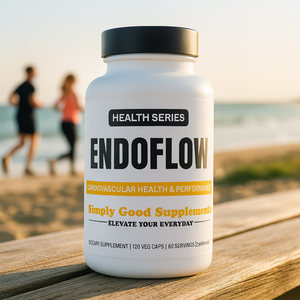
One product designed specifically around evidence-based nitric oxide support is EndoFlow by Simply Good Supplements .
According to the formula details, EndoFlow provides:
- 525 mg nitrates per serving from NO3-T® betaine nitrate
- Setria® glutathione for antioxidant support
- Vitamin C to support nitric oxide production
- Stimulant-free dosing for performance and daily vascular support
That nitrate dose falls directly within the range commonly used in many human performance studies.
How to Time Nitrates for Exercise
If performance is the goal, timing matters.
Research suggests nitrate levels and nitric oxide production generally peak:
About 2–3 Hours After Ingestion
For endurance sessions, races, or interval workouts, many athletes benefit from taking nitrates:
- 2–3 hours pre-workout
- Consistently for several days before key events
Some athletes also use daily nitrate support year-round to support vascular health and recovery.
Common Mistakes That Reduce Nitrate Effectiveness
Using Antibacterial Mouthwash
The nitrate pathway depends heavily on oral bacteria converting nitrate into nitrite.
Strong antibacterial mouthwash may blunt this process and reduce nitric oxide production.
Inconsistent Dosing
Research generally supports:
- Consistent intake
- Appropriate timing
- Clinically relevant doses
...rather than sporadic low-dose use.
Underdosing
A lot of “pump” products contain minimal nitrate content. Many studies showing benefits use at least 300–400 mg nitrate.
Do Nitrates Work for Everyone?
Not necessarily.
Some people appear to respond strongly, while others experience minimal noticeable effects.
Potential reasons include:
- Training status
- Oral microbiome differences
- Baseline nitric oxide production
- Genetics
- Diet quality
- Age
- Overall cardiovascular health
Highly trained elite athletes may see smaller performance improvements than recreational athletes because they already possess highly developed oxygen delivery systems.
Are Dietary Nitrates Safe?
For most healthy individuals, nitrates from vegetables and properly formulated supplements appear safe and well tolerated.
Importantly, naturally occurring dietary nitrates from vegetables are very different from concerns surrounding processed meats and nitrosamine formation.
Current evidence generally supports nitrate-rich vegetables as beneficial for cardiovascular health rather than harmful.
However, individuals with:
- Low blood pressure
- Cardiovascular disease
- Kidney disease
- Medication interactions
...should consult a healthcare professional before aggressively supplementing nitrates.
Practical Evidence-Based Nitrate Dosing Recommendations
For Daily Health Support
- 250–500 mg nitrate daily
- Consistent daily intake
- From vegetables and/or standardized supplements
For Endurance Performance
- 300–600 mg nitrate
- Taken 2–3 hours before exercise
- Often more effective with multi-day loading
For Race Week
- Daily nitrate intake for 3–7 days before competition
- Final dose 2–3 hours pre-race
Final Thoughts
Dietary nitrates are no longer just a niche endurance supplement trend. The scientific literature increasingly supports their role in nitric oxide production, vascular function, exercise efficiency, and potentially long-term cardiovascular health.
At the same time, nitrates are not magic. Benefits tend to be modest, individual responses vary, and consistency matters more than chasing massive doses.
For most people, the best approach is simple:
- Prioritize nitrate-rich vegetables
- Use evidence-based dosing
- Stay consistent
- Focus on overall lifestyle and training quality
For athletes or individuals looking for a more convenient and standardized option, EndoFlow by Simply Good Supplements provides clinically relevant nitrate dosing in a stimulant-free formula designed to support blood flow, endurance, recovery, and vascular health.
Ultimately, nitrates are best viewed as one useful tool within a larger foundation of smart training, nutrition, sleep, hydration, and long-term health habits.
References & Scientific Literature
- Jones AM. Dietary nitrate supplementation and exercise performance. Sports Medicine.
- Domínguez R et al. Effects of beetroot juice supplementation on cardiorespiratory endurance. Journal of the International Society of Sports Nutrition.
- Lundberg JO, Weitzberg E. NO generation from inorganic nitrate and nitrite. Nature Reviews Drug Discovery.
- Kapil V et al. Dietary nitrate provides sustained blood pressure lowering in hypertensive patients.
- Hoon MW et al. Nitrate supplementation and exercise performance: systematic review and meta-analysis.