Can Probiotics Help Depression and Anxiety? New Analysis of 70 Clinical Trials
Depression and anxiety affect hundreds of millions of people worldwide, and researchers are increasingly exploring how the gut microbiome may influence mental health. While therapy, lifestyle changes, and medication remain the foundation of treatment, a growing body of evidence suggests that certain gut-supporting supplements may play a helpful supporting role.
A new systematic review and meta-analysis published in Annals of General Psychiatry analyzed data from 70 randomized controlled trials and found that probiotics, prebiotics, and synbiotics may help reduce symptoms of depression and anxiety.
Here’s what the research found and what it means for your health.
The Gut-Brain Connection
Your gut and brain are constantly communicating through what researchers call the gut-brain axis. This complex network involves the nervous system, immune system, hormones, and trillions of microbes living in your digestive tract.
Scientists have discovered that gut bacteria can influence:
- Inflammation levels
- Stress responses
- Production of neurotransmitters such as serotonin and dopamine
- Brain function and mood regulation
Because of this connection, researchers have become increasingly interested in whether improving gut health could positively impact mental health.
What Did The Study Examine?
Researchers reviewed 70 randomized controlled trials investigating the effects of probiotics, prebiotics, and synbiotics on depression and anxiety symptoms.
- 65 studies evaluated depression outcomes
- 49 studies evaluated anxiety outcomes
- Interventions lasted between 2 and 24 weeks
- Thousands of participants were included across the studies
This represents one of the largest analyses ever conducted on gut-health interventions and mental health.
What Are Probiotics, Prebiotics, and Synbiotics?
Before diving into the results, it helps to understand the differences:
- Probiotics are beneficial live microorganisms that may help support a healthy gut microbiome.
- Prebiotics are fibers and compounds that feed beneficial gut bacteria.
- Synbiotics combine probiotics and prebiotics in a single product.
Each works differently, but all are designed to improve gut health and microbiome function.
The Results: Depression
The researchers found that gut-health interventions significantly reduced symptoms of depression overall.
When all studies were combined, participants receiving probiotics, prebiotics, or synbiotics experienced greater improvements in depression symptoms compared to control groups.
However, the benefits varied by intervention type:
- Probiotics: Significant improvement in depression symptoms
- Synbiotics: Significant improvement in depression symptoms
- Prebiotics: No statistically significant benefit for depression
Among the three approaches, synbiotics generally produced the strongest effects.
The Results: Anxiety
The findings for anxiety were also encouraging.
Participants using probiotics, prebiotics, or synbiotics experienced significant reductions in anxiety symptoms compared to controls.
Unlike depression outcomes, all three interventions showed measurable benefits for anxiety.
Again, synbiotics appeared to produce some of the largest improvements.
Who Benefited The Most?
The researchers conducted additional analyses to identify factors associated with larger improvements.
Benefits tended to be greater among:
- Adults aged 50 years and older
- Individuals diagnosed with major depressive disorder
- Studies with smaller sample sizes
- Certain probiotic strains and formulations
This suggests that some populations may respond better than others, although more research is needed.
How Might Gut Health Affect Mood?
Researchers believe several mechanisms may explain these findings.
1. Neurotransmitter Production
Many gut bacteria help produce or influence neurotransmitters involved in mood regulation, including serotonin, dopamine, and GABA.
2. Reduced Inflammation
Chronic inflammation has been linked to both depression and anxiety. Certain probiotic strains may help lower inflammatory markers.
3. Short-Chain Fatty Acids
Beneficial gut bacteria produce compounds called short-chain fatty acids that may support brain health and nervous system function.
4. Stress Regulation
The gut microbiome can influence the hypothalamic-pituitary-adrenal (HPA) axis, which helps regulate the body's response to stress.
What Does This Mean For You?
This review provides encouraging evidence that improving gut health may support mental well-being.
However, it's important to keep these findings in perspective.
- These supplements are not cures for depression or anxiety.
- They should not replace therapy, medication, or professional medical care.
- Benefits were generally modest rather than dramatic.
- Not all probiotic strains produce the same effects.
Think of probiotics and other gut-supportive interventions as potentially helpful tools that may complement a broader mental health strategy.
Supporting Your Gut Health
While supplements may help, gut health starts with daily habits. Strategies that support a healthy microbiome include:
- Eating a variety of fruits and vegetables
- Consuming fiber-rich foods
- Including fermented foods when tolerated
- Regular exercise
- Adequate sleep
- Stress management
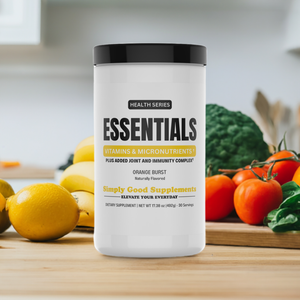
For those looking for additional nutritional support, a comprehensive daily formula that combines vitamins, minerals, probiotics, and immune-supporting nutrients can help fill common nutritional gaps while supporting overall health.
The Bottom Line
A new review of 70 randomized controlled trials found that probiotics, prebiotics, and synbiotics may help reduce symptoms of anxiety, while probiotics and synbiotics may also help improve symptoms of depression.
Although these supplements are not a replacement for professional mental health treatment, the findings add to growing evidence that gut health and mental health are closely connected.
As researchers continue exploring the gut-brain axis, maintaining a healthy microbiome may prove to be an increasingly important piece of the mental wellness puzzle.
References
- Lian Y, Zhao J, Hu W, et al. Effects of prebiotics, probiotics, and synbiotics on depression and anxiety: a systematic review and meta-analysis. Ann Gen Psychiatry. 2026;25:45.
- Cryan JF, O'Riordan KJ, Cowan CSM, et al. The microbiota-gut-brain axis. Physiol Rev. 2019;99(4):1877-2013.
- Foster JA, Neufeld KA. Gut-brain axis: how the microbiome influences anxiety and depression. Trends Neurosci. 2013;36(5):305-312.