Creatine for Women Over 50: New Research on Muscle, Strength, and Healthy Aging
As women age, maintaining muscle mass and strength becomes increasingly important for overall health, mobility, and independence.
Unfortunately, the years surrounding menopause often bring significant physiological changes that can make preserving muscle and strength more challenging. Declining estrogen levels are associated with reductions in muscle mass, strength, recovery capacity, and overall physical function.
While resistance training remains one of the most effective strategies for healthy aging, researchers continue to explore nutritional interventions that may help support muscle health during this stage of life.
One supplement receiving growing attention is creatine monohydrate.
A recent systematic review and meta-analysis published in the Journal of the International Society of Sports Nutrition examined whether creatine supplementation can help postmenopausal women maintain muscle, strength, bone health, and physical function.
The findings offer encouraging news for active women looking to support healthy aging.
Why Muscle Health Matters After Menopause
Muscle loss isn't just a cosmetic concern.
Beginning in midlife, women naturally experience age-related declines in skeletal muscle mass and strength. Over time, these changes can contribute to:
- Reduced mobility
- Difficulty performing daily activities
- Increased risk of falls
- Lower exercise capacity
- Reduced quality of life
Researchers estimate that adults can lose approximately 0.5% to 1% of muscle mass each year as they age, making proactive strategies for preserving muscle increasingly important.
Because muscle plays a critical role in metabolism, balance, and overall physical function, maintaining strength becomes one of the most important factors in promoting long-term health and independence.
What Did the Researchers Study?
The review analyzed seven randomized controlled trials involving more than 600 postmenopausal women.
Researchers investigated whether creatine supplementation influenced:
- Lean muscle mass
- Strength
- Physical function
- Bone mineral density
- Safety outcomes
The studies ranged from several months to two years and included both exercise and non-exercise interventions.
Finding #1: Creatine Helped Support Lean Muscle Mass
One of the most consistent findings was that creatine supplementation helped women gain modest amounts of lean muscle mass when combined with resistance training.
The review concluded that there is moderate-certainty evidence supporting creatine's ability to enhance lean mass gains beyond what is achieved through resistance training alone.
While the additional gains may seem small, even modest improvements can help offset age-related muscle loss and contribute to better long-term physical function.
For women entering or navigating postmenopause, preserving muscle mass can play a critical role in maintaining strength, balance, and independence later in life.
Finding #2: Strength Improvements Were Even More Impressive
Muscle mass is important, but strength may be even more meaningful when it comes to healthy aging.
Across multiple studies, women who combined creatine supplementation with resistance training experienced greater strength improvements than women performing the same training without creatine.
Researchers reported improvements in measures such as leg press strength and overall functional performance.
These findings suggest that creatine may help women get more out of their resistance training efforts, potentially leading to greater improvements in physical function and quality of life.
The Creatine Form Used in Research
When discussing creatine, it's important to note that nearly all of the research demonstrating these benefits used one specific form:
Creatine Monohydrate.
Despite the marketing claims surrounding newer forms of creatine, creatine monohydrate remains the most extensively studied and scientifically validated option available.
Decades of research have evaluated creatine monohydrate across athletes, older adults, and postmenopausal women, consistently demonstrating its effectiveness and safety when used appropriately.
For women looking to support muscle health and strength as they age, choosing a high-quality creatine monohydrate supplement is often the most evidence-based approach.
Support Your Strength Goals with Simply Good Supps Creatine Monohydrate
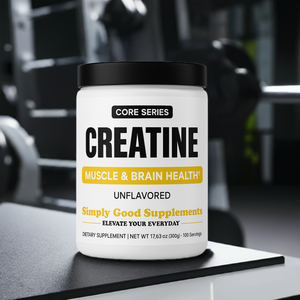
If you're considering adding creatine to your routine, Simply Good Supps Creatine Monohydrate delivers the same form of creatine used throughout the scientific literature.
- 100% pure creatine monohydrate
- Supports strength and power output
- Helps support lean muscle development when combined with resistance training
- Unflavored and easy to mix into water, shakes, or smoothies
- Backed by decades of scientific research
Whether your goal is maintaining muscle, improving gym performance, or supporting healthy aging, creatine monohydrate remains one of the most researched supplements available.
Finding #3: Creatine Did Not Improve Bone Mineral Density
Many women are interested in nutritional strategies that support bone health after menopause.
However, one of the more important findings from this review was that creatine supplementation did not appear to significantly improve bone mineral density.
Researchers concluded with high certainty that creatine alone does not meaningfully increase DXA-measured bone density in postmenopausal women.
This doesn't diminish creatine's value for muscle and strength, but it does reinforce the importance of maintaining realistic expectations.
For bone health, resistance training, weight-bearing exercise, adequate calcium intake, vitamin D, and overall lifestyle factors remain critically important.
What About Safety?
Creatine is one of the most extensively researched supplements in sports nutrition.
The review found no evidence that creatine increased the risk of:
- Kidney dysfunction
- Liver problems
- Cardiovascular issues
- Serious adverse events
Most reported side effects were mild and temporary, with occasional digestive discomfort being the most common complaint.
Overall, the researchers concluded that creatine supplementation was safe and well tolerated in postmenopausal women.
How Much Creatine Should Women Take?
The review found that studies using approximately 5 grams per day generally produced the most consistent benefits.
Lower doses sometimes showed weaker effects, while protocols using a brief loading phase followed by a maintenance dose also demonstrated positive outcomes.
For most healthy adults, 3–5 grams of creatine monohydrate daily is commonly recommended and supported by decades of research.
As always, individuals with medical conditions should consult their healthcare provider before beginning any supplementation program.
The Bottom Line
This systematic review provides encouraging evidence that creatine supplementation can help postmenopausal women improve lean muscle mass and strength when combined with resistance training.
While creatine does not appear to significantly improve bone mineral density, it may serve as a valuable tool for supporting healthy aging by helping preserve two critical components of long-term physical function: muscle and strength.
Combined with regular resistance training, adequate protein intake, and an overall healthy lifestyle, creatine monohydrate remains one of the most evidence-based nutritional supplements available for women looking to stay strong, active, and independent as they age.
References
- Naddafha S, Antonio J, Kreider RB, Stout JR, et al. Creatine Supplementation in Postmenopausal Women: A Systematic Review and Meta-Analysis. Journal of the International Society of Sports Nutrition. 2025.
- Smith-Ryan AE, Cabre HE, Eckerson JM, et al. Creatine Supplementation in Women's Health: A Lifespan Perspective. Nutrients. 2021;13(3):877.
- Pellegrino A, Tiidus PM, Vandenboom R. Mechanisms of Estrogen Influence on Skeletal Muscle: Mass, Regeneration, and Mitochondrial Function. Sports Medicine. 2022;52(12):2853-2869.
- Antonio J, Candow DG, Forbes SC, et al. Common Questions and Misconceptions About Creatine Supplementation: What Does the Scientific Evidence Really Show?
```