How Much Sodium Do Endurance Athletes Need? The Science of Hydration, Electrolytes, and Performance
Walk through the expo at any marathon or ultramarathon, and you'll hear plenty of advice about sodium.
"You need salt tablets."
"Take 1,000 mg every hour."
"If you're cramping, you need more sodium."
While sodium is undeniably important for endurance athletes, it's also one of the most misunderstood topics in sports nutrition.
The truth is that more sodium isn't always better, and most hydration mistakes aren't caused by too little sodium—they're caused by drinking too much fluid.
A comprehensive review published in the International Journal of Environmental Research and Public Health examined decades of research on sodium, hydration, endurance performance, and exercise-associated hyponatremia. The conclusion? Sodium has an important role in endurance sports, but individualized hydration strategies matter far more than blindly following generic electrolyte recommendations.
Let's break down what the science actually says.
Why Sodium Matters
Sodium is the primary electrolyte found outside your cells.
It plays several essential roles during exercise:
- Maintaining fluid balance
- Supporting nerve function
- Allowing muscles to contract properly
- Helping regulate blood pressure
- Promoting absorption of water and carbohydrates in the intestine
Because sodium is lost in sweat, prolonged exercise naturally reduces the body's sodium stores.
However, losing sodium during exercise does not automatically mean you need massive sodium replacement.
That's where many athletes get confused.
You Lose Sodium Every Time You Sweat
Sweat isn't just water.
It contains sodium, chloride, potassium, and small amounts of other electrolytes.
But here's something many athletes don't realize:
Sweat sodium losses vary tremendously between individuals.
Research has shown sweat sodium concentrations ranging from less than 200 mg/L to well over 2,000 mg/L, depending on genetics, heat acclimation, training status, diet, and environmental conditions.
That means two runners finishing the same marathon could lose dramatically different amounts of sodium.
This is why "one-size-fits-all" sodium recommendations rarely make sense.
Does More Sodium Improve Performance?
The short answer:
Sometimes—but not always.
The review found that sodium can help maintain hydration and encourage fluid retention during prolonged exercise, particularly in hot environments or during events lasting several hours.
However, sodium itself isn't a magical performance enhancer.
Taking extra sodium won't automatically make you faster if:
- You're already well hydrated.
- The event is relatively short.
- Your sodium losses are modest.
- Your carbohydrate intake is inadequate.
In other words, sodium supports performance indirectly by helping maintain fluid balance rather than acting like caffeine or carbohydrates.
Hydration Is More Important Than Sodium Alone
One of the strongest messages from the review is that hydration and sodium cannot be viewed separately.
Your body regulates:
- Thirst
- Blood sodium concentration
- Sweat rate
- Kidney function
- Hormones like vasopressin and aldosterone
These systems work together to keep fluid balance within a relatively narrow range.
Trying to replace every drop of sweat is neither necessary nor recommended.
The Biggest Danger Isn't Low Sodium—It's Drinking Too Much
Many endurance athletes assume dehydration is the biggest hydration risk.
Ironically, overdrinking has become an even greater concern.
Exercise-associated hyponatremia (EAH) occurs when blood sodium levels fall too low.
In most cases, this isn't because athletes lose enormous amounts of sodium.
It's because they drink more fluid than their kidneys can eliminate, diluting the sodium already present in their bloodstream.
EAH has been documented in:
- Marathons
- Ultramarathons
- Ironman triathlons
- Hiking events
- Military training
Severe cases can lead to:
- Headache
- Nausea
- Vomiting
- Confusion
- Seizures
- Brain swelling
- Death
Fortunately, it's almost entirely preventable.
Drink to Thirst
One of the biggest shifts in sports nutrition over the past two decades has been moving away from rigid drinking schedules.
Rather than forcing yourself to consume a predetermined amount every hour, many experts now recommend drinking according to thirst for most endurance events.
Thirst isn't a sign that you've already failed.
It's actually one of the body's most effective hydration signals.
For most recreational athletes, listening to thirst works remarkably well.
When Sodium Becomes More Important
There are situations where sodium intake deserves greater attention.
These include:
- Events lasting longer than 2–3 hours
- Hot and humid environments
- Athletes with very salty sweat
- Heavy sweaters
- Multi-day endurance events
- Ultramarathons
- Iron-distance triathlons
In these situations, sodium-containing beverages or foods can help replace ongoing losses while improving fluid retention and maintaining the desire to drink.
You Probably Don't Need Salt Tablets
Salt tablets have become popular in endurance sports.
But they're rarely necessary for most athletes.
The review found little evidence that taking large amounts of sodium alone prevents muscle cramps or dramatically improves performance in every athlete.
Instead, athletes should focus on:
- Appropriate hydration
- Adequate carbohydrate intake
- Individual sweat losses
- Environmental conditions
- Race duration
Salt tablets may benefit certain athletes with exceptionally high sodium losses, but they aren't a universal solution.
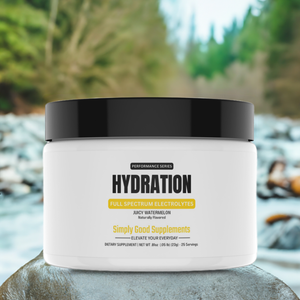
Product Spotlight: Support Smart Hydration with Hydration
Replacing sodium isn't about taking the biggest dose possible—it's about replacing what you actually lose.
That's why we formulated Hydration to provide a balanced blend of electrolytes designed to support hydration before, during, and after training without relying on excessive amounts of sodium or sugar.
Whether you're heading out for a summer long run, preparing for an ultramarathon, or recovering after a tough workout, Hydration can help support fluid balance and electrolyte replacement as part of an individualized hydration strategy.
👉 Learn more here:
https://simplygoodsupps.com/collections/shop-all/products/quench-hydration
Should You Get a Sweat Test?
For recreational athletes, probably not.
But if you:
- Consistently finish races covered in salt
- Experience frequent hydration problems
- Race in hot environments
- Compete in ultradistance events
a sweat sodium assessment can help personalize your hydration plan.
Knowing whether you're a low, average, or high sodium sweater removes much of the guesswork.
Practical Hydration Tips for Endurance Athletes
Instead of obsessing over a single sodium number, focus on these evidence-based habits:
✅ Drink according to thirst.
✅ Practice your hydration strategy during training—not race day.
✅ Use electrolyte-containing drinks for longer or hotter sessions.
✅ Consume adequate carbohydrates during prolonged exercise.
✅ Monitor body weight before and after long training sessions to estimate sweat losses.
✅ Don't try to replace 100% of your sweat loss during exercise.
✅ Adjust your strategy based on heat, humidity, and exercise duration.
The Bottom Line
Sodium is an essential electrolyte that plays an important role in hydration, nerve function, and muscle contraction during exercise.
But despite what many athletes believe, more sodium isn't always better.
The latest research suggests that individualized hydration strategies—based on sweat rate, exercise duration, environmental conditions, and thirst—are far more important than blindly following generic sodium recommendations.
For most endurance athletes, smart hydration means balancing fluids, electrolytes, and carbohydrates while avoiding the equally dangerous mistake of drinking too much water.
When it comes to endurance performance, hydration isn't about replacing everything you lose.
It's about replacing enough to keep your body performing at its best.
References
- Del Coso J, et al. Sodium Intake and Endurance Exercise. International Journal of Environmental Research and Public Health. 2022.
- Sawka MN, Burke LM, Eichner ER, et al. American College of Sports Medicine Position Stand: Exercise and Fluid Replacement. Medicine & Science in Sports & Exercise. 2007.
- Hew-Butler T, Loi V, Pani A, Rosner MH. Exercise-Associated Hyponatremia: 2017 Update. Frontiers in Medicine. 2017.
- Baker LB, Jeukendrup AE. Optimal Composition of Fluid-Replacement Beverages. Comprehensive Physiology. 2014.
- Tiller NB, Roberts JD, Beasley L, et al. International Society of Sports Nutrition Position Stand: Nutritional Considerations for Single-Stage Ultra-Marathon Training and Racing. Journal of the International Society of Sports Nutrition. 2019.