The Best Supplements for Athletic Performance: What Actually Works?
TL;DR: The list of supplements with convincing evidence for directly improving athletic performance is surprisingly short. The Australian Institute of Sport currently places caffeine, creatine, beta-alanine, dietary nitrate, sodium bicarbonate, and glycerol in its highest evidence category for use in specific sporting situations.
- Caffeine: One of the most reliable acute performance supplements. Roughly 2–3 mg/kg is enough for many athletes.
- Creatine monohydrate: Excellent for strength, power, repeated high-intensity exercise, and supporting training adaptations.
- Dietary nitrate: Most useful for certain endurance and high-intensity efforts. Approximately 5–9 mmol nitrate is a common evidence-based acute range.
- Beta-alanine: Most relevant to hard efforts where muscle acidity contributes to fatigue.
- Sodium bicarbonate: Can improve high-intensity performance, but GI problems are the obvious downside.
- Carbohydrate: Technically a nutrient rather than a sexy supplement ingredient, but one of the most effective performance tools in endurance sports.
- Electrolytes: Useful when sweat and sodium losses become meaningful, although they don't magically increase performance in every workout.
- Citrulline: Interesting, but the performance evidence isn't nearly as established as caffeine or creatine.
- Most exotic pre-workout ingredients have considerably less evidence than their labels suggest.
Want the condensed version? Download our Performance Enhancing Supplements Guide for a practical breakdown of which ingredients work, what they're useful for, and how to use them.
Walk into any supplement store and apparently there are 437 different ingredients capable of increasing athletic performance.
Strange.
Because when you look at the actual evidence, the list gets short pretty quickly.
The International Olympic Committee has previously identified caffeine, creatine, nitrate, sodium bicarbonate, and possibly beta-alanine among the relatively small number of supplements with good evidence for direct performance benefits.
The Australian Institute of Sport currently puts six performance ingredients in its highest evidence category:
Caffeine.
Creatine.
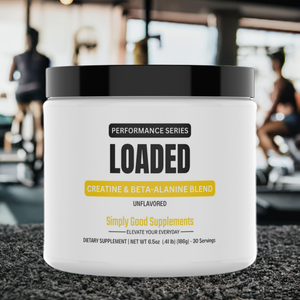
Beta-alanine.
Dietary nitrate.
Sodium bicarbonate.
Glycerol.
That's a little different from the ingredient panel on your 19-scoop pre-workout.
Let's look at what actually works.
Before Supplements: Fuel the Work
This isn't as exciting as discussing obscure plant extracts, but it's more important.
Performance starts with:
Enough calories.
Enough carbohydrate.
Enough protein.
Adequate hydration.
Adequate sodium when sweat losses warrant it.
Sleep.
Training.
Then supplements.
If you're chronically underfueling training, there's probably no rare Amazonian berry powder that's going to fix the problem.
1. Caffeine
If I had to pick one acute performance supplement that applies across the widest range of sports, caffeine would be difficult to beat.
Caffeine has evidence for improving aspects of:
Endurance.
Muscular endurance.
Sprint performance.
Repeated sprint ability.
Jumping.
Strength.
Reaction time.
Alertness.
Perceived effort.
The International Society of Sports Nutrition concluded that caffeine can acutely improve multiple aspects of exercise performance, although the magnitude of benefit varies between individuals.
How Does Caffeine Improve Performance?
The primary mechanism is probably central.
Caffeine blocks adenosine receptors.
That can reduce perceived fatigue and allow athletes to maintain effort longer.
This is why caffeine can make the same workload feel slightly easier.
And in endurance sports, slightly easier can become slightly faster.
How Much Caffeine Do You Need?
You probably need less than you think.
The Australian Institute of Sport notes that small doses around:
2–3 mg/kg
can improve performance.
For a 160-pound athlete, or about 73 kg:
2 mg/kg = 146 mg
3 mg/kg = 219 mg
That's not a ridiculous amount.
Traditional research frequently uses:
3–6 mg/kg
But more isn't automatically better.
Higher doses increase the likelihood of:
Jitters.
Anxiety.
Elevated heart rate.
GI problems.
Poor sleep.
The IOC notes that doses of 9 mg/kg or more don't appear to provide additional performance benefit and increase side-effect risk.
You don't need to feel like you've consumed electricity for caffeine to work.
When Should You Take Caffeine?
Approximately 30–60 minutes before exercise works well for traditional caffeine sources.
Timing depends somewhat on the form.
Caffeine gum can work faster.
Caffeinated gels during endurance events can also provide caffeine later in competition.
The important part is testing your strategy during training.
Race morning isn't when you discover that 350 mg of caffeine turns your digestive system into a fire drill.
2. Creatine Monohydrate
Creatine might have the best overall evidence base of any sports supplement.
It primarily improves the ability to rapidly regenerate ATP during short-duration, high-intensity exercise.
That makes it particularly useful for:
Strength training.
Power.
Sprinting.
Repeated high-intensity efforts.
Team sports.
High-intensity intervals.
The Australian Institute of Sport classifies creatine as a Group A performance supplement with strong evidence in appropriate situations.
Does Creatine Help Endurance Athletes?
This gets more complicated.
Creatine isn't going to suddenly make your aerobic system dramatically better.
But endurance athletes still:
Sprint.
Climb hills.
Strength train.
Finish races hard.
Perform intervals.
Need muscle.
Creatine can therefore be useful even when endurance performance is the primary goal.
The biggest downside for some endurance athletes is potential body-mass gain from increased intracellular water.
That's not inherently bad.
But if you're racing uphill for six hours, additional body mass matters.
Context.
Always context.
How Much Creatine Should You Take?
The simple approach:
3–5 grams creatine monohydrate daily.
If you want faster saturation:
20 grams per day for 5–7 days
divided into four doses.
Then:
3–5 grams daily.
The IOC and AIS both support similar protocols.
You don't need to cycle creatine.
You don't need creatine HCl.
You don't need buffered creatine.
You don't need creatine infused with moonlight.
Creatine monohydrate works.
3. Dietary Nitrate
Dietary nitrate is one of the more interesting endurance supplements.
Nitrate is found naturally in foods including:
Beets.
Spinach.
Arugula.
Celery.
Other leafy vegetables.
Nitrate can eventually be converted through the nitrate-nitrite-nitric oxide pathway into nitric oxide.
Nitric oxide influences:
Blood flow.
Muscle function.
Mitochondrial efficiency.
Muscle contractile efficiency.
Exercise economy.
The IOC identifies nitrate as one of the relatively small number of supplements with good evidence for performance benefits in appropriate circumstances.
How Much Nitrate Do You Need?
An evidence-based acute dose is approximately:
5–9 mmol nitrate
or roughly:
310–560 mg nitrate
taken around:
2–3 hours before exercise.
This is where beetroot products get interesting.
Not every beet supplement contains enough nitrate to matter.
Some don't even tell you how much nitrate they contain.
The AIS has noted substantial variability in nitrate content among commercial beetroot products, including large differences between products and even between batches.
"Contains beetroot" isn't a dose.
Look for standardized nitrate content.
Who Benefits Most From Nitrate?
The response appears somewhat individual.
Benefits may be more noticeable in:
Recreational or moderately trained athletes.
Events involving sustained high aerobic demand.
Certain high-intensity intermittent efforts.
Highly trained endurance athletes sometimes show smaller or less consistent benefits.
That doesn't mean nitrate can't work for trained athletes.
It means the response isn't universal.
Test it.
Don't Use Antibacterial Mouthwash With Nitrate
This sounds random.
It's not.
Oral bacteria help convert nitrate into nitrite.
Strong antibacterial mouthwash can interfere with that process.
If you're using nitrate specifically for performance, don't immediately destroy the bacteria required for the pathway.
Your dentist and your sports nutritionist can argue about the details later.
4. Beta-Alanine
Beta-alanine works very differently from caffeine.
You don't take it 30 minutes before your workout and suddenly unlock another gear.
Beta-alanine increases muscle carnosine.
Carnosine helps buffer hydrogen ions that accumulate during intense exercise.
This makes beta-alanine most interesting during high-intensity exercise where acidosis contributes meaningfully to fatigue.
Think:
Hard rowing.
Middle-distance running.
Swimming.
Combat sports.
CrossFit-style events.
Repeated high-intensity efforts.
Hard cycling.
The AIS currently classifies beta-alanine among its Group A performance supplements.
How Much Beta-Alanine?
Common evidence-based protocols generally provide around:
4–6.4 grams per day
for multiple weeks.
Split doses can reduce paresthesia.
That's the tingling sensation beta-alanine causes.
And no, the tingling isn't what improves performance.
You don't need to feel like ants are crawling across your forehead for beta-alanine to work.
Muscle carnosine accumulation is the goal.
Beta-Alanine Isn't Really an Acute Pre-Workout Ingredient
This is worth emphasizing.
Taking beta-alanine once before exercise isn't particularly useful.
It works through chronic supplementation.
You could take it:
Morning.
Afternoon.
With dinner.
Before training.
The exact timing isn't terribly important.
Daily intake over time is.
5. Sodium Bicarbonate
Yes.
Baking soda.
One of the cheapest performance supplements available also happens to have legitimate evidence behind it.
Sodium bicarbonate increases extracellular bicarbonate concentration.
That improves buffering capacity and can help move hydrogen ions out of working muscle during high-intensity exercise.
Translation:
It can help during really unpleasant exercise.
Think:
Repeated sprints.
Middle-distance racing.
Hard rowing.
Swimming.
Combat sports.
High-intensity intervals.
Some cycling events.
The AIS currently places sodium bicarbonate in Group A.
How Much Sodium Bicarbonate?
A commonly studied dose is approximately:
0.2–0.3 g/kg body weight.
For a 160-pound athlete:
0.3 g/kg × 73 kg = about 22 grams.
That's a lot of baking soda.
Which brings us to the obvious problem.
Sodium Bicarbonate Can Destroy Your Stomach
Possible side effects include:
Bloating.
Nausea.
Cramping.
Diarrhea.
Urgent bathroom negotiations.
The IOC specifically notes that GI distress from bicarbonate can become severe enough to impair rather than improve performance.
Timing, dosing, food intake, and individual tolerance matter enormously.
Never test sodium bicarbonate for the first time on race day.
Please.
Your competitors don't deserve that advantage.
6. Carbohydrate
Carbohydrate isn't normally thought of as a performance-enhancing supplement.
It should be.
For endurance athletes, carbohydrate is one of the most reliable ways to support performance during prolonged exercise.
Sports drinks.
Gels.
Chews.
Carbohydrate powders.
They're technically sports foods.
But the performance effect is very real.
Carbohydrate availability becomes increasingly important as exercise duration increases.
How Much Carbohydrate During Exercise?
A practical framework:
Under ~60 minutes: Often little or no carbohydrate required.
1–2.5 hours: Roughly 30–60 grams per hour.
Longer events: Up to roughly 90 grams per hour can be appropriate for trained athletes using multiple transportable carbohydrates.
Ultra-endurance athletes sometimes successfully consume even more.
But that requires gut training.
You don't wake up Saturday morning and decide your digestive system is now capable of processing 120 grams of carbohydrate per hour.
Train your gut like you train your legs.
Carbohydrate Is Performance Nutrition
This is worth saying because supplements get more attention.
If you're doing a three-hour race, the difference between:
No carbohydrate
and
60–90 grams per hour
is probably considerably more important than whether your pre-workout contains 50 mg of some exotic plant extract.
Fuel first.
Then worry about the interesting stuff.
7. Electrolytes
Electrolytes don't automatically improve performance.
They become important when losses become important.
Sodium is the primary electrolyte lost in sweat.
Your losses depend on:
Sweat rate.
Sweat sodium concentration.
Exercise duration.
Heat.
Humidity.
Acclimation.
Body size.
Clothing.
Some athletes lose very little sodium.
Others leave salt crust covering their clothes.
These people probably shouldn't follow identical electrolyte strategies.
How Much Sodium Do You Need?
There's no universal dose.
A reasonable strategy starts by estimating:
Sweat rate.
Approximate sodium losses.
Fluid intake.
Environmental conditions.
Race duration.
For long events in hot conditions, sodium replacement can become increasingly important.
For a 40-minute gym workout?
Probably less so.
Electrolytes solve a specific problem.
Use them when you have that problem.
8. Glycerol
Glycerol doesn't get nearly as much attention as caffeine or creatine, but the AIS currently classifies it as a Group A performance supplement.
Its primary application is hyperhydration.
When consumed with substantial fluid, glycerol can increase fluid retention.
This can potentially be useful before exercise where:
Heat stress is high.
Fluid availability is limited.
Significant dehydration is expected.
It's specialized.
Most athletes don't need glycerol for normal training.
But for certain endurance events in extreme conditions, it can become interesting.
9. Citrulline
Now we're leaving the strongest evidence category.
Citrulline is commonly included in pre-workouts because it can increase arginine availability and nitric oxide production.
Potential effects include:
Blood flow.
Resistance-training performance.
Muscular endurance.
Perceived exertion.
The evidence is mixed.
Some studies show improvements.
Others don't.
Citrulline malate is often studied around:
6–8 grams before exercise.
Pure L-citrulline protocols are typically lower.
I don't think citrulline is useless.
But I wouldn't put it in the same evidence category as caffeine or creatine.
That's an important distinction.
What About Taurine?
Taurine is another interesting ingredient.
It's involved in:
Calcium handling.
Cellular hydration.
Muscle function.
Antioxidant processes.
Neuromuscular function.
Some studies suggest acute taurine supplementation may improve certain endurance outcomes.
But the evidence isn't as consistent or extensive as our top-tier ingredients.
I'd describe taurine as:
Promising.
Reasonable.
Potentially useful.
Not essential.
What About Alpha-GPC?
Alpha-GPC provides choline and can increase acetylcholine availability.
It's often marketed for:
Focus.
Power.
Reaction time.
Strength.
Cognitive performance.
There is some interesting research.
But the sports-performance evidence base is relatively small.
Again:
Potentially useful.
Not remotely as established as caffeine or creatine.
What About Adaptogens?
Ashwagandha.
Rhodiola.
Cordyceps.
Ginseng.
Adaptogens are popular.
Some have interesting research.
Ashwagandha, for example, has studies suggesting potential benefits for strength, VO₂ max, stress, and recovery.
But responses depend heavily on:
Extract.
Dose.
Duration.
Population.
Study quality.
I wouldn't classify adaptogens alongside the best-established acute ergogenic aids.
They may influence performance indirectly.
That's different.
What About Ketones?
Exogenous ketones are fascinating.
They're also expensive.
Research has examined whether ketone esters can:
Provide alternative fuel.
Spare glycogen.
Improve endurance.
Improve recovery.
Improve cognition.
The results are mixed.
Some studies show benefits.
Others show no effect.
Some show impaired performance.
At this point, ketones are much more interesting scientifically than they are essential practically.
If you're choosing between buying ketone ester and buying enough carbohydrate for your race?
Buy the carbohydrate.
What About BCAAs?
No.
Well, that's probably too short.
BCAAs include:
Leucine.
Isoleucine.
Valine.
They can be useful when dietary protein intake is inadequate.
But if you're already eating enough high-quality protein, isolated BCAAs aren't going to suddenly transform performance.
Complete protein provides BCAAs plus the other essential amino acids.
They're far more relevant to nutrition than acute athletic performance.
What About Fat Burners?
Most "fat burners" are stimulant products wearing different clothes.
The ingredient doing most of the noticeable work is often:
Caffeine.
Then the label surrounds it with:
Plant extracts.
Herbs.
Thermogenic compounds.
Ingredients with tiny effects.
And something you've never heard of that apparently came from a tree growing exclusively on one mountain in Peru.
If fat loss is the goal:
Calorie balance.
Protein.
Strength training.
Activity.
Sleep.
Those matter considerably more.
What About Testosterone Boosters?
Most over-the-counter testosterone boosters have underwhelming evidence.
If you're deficient in something like:
Vitamin D.
Zinc.
Magnesium.
Correcting that deficiency may improve normal physiology.
That doesn't mean taking extra zinc when you're already sufficient transforms you into a hormonal superhero.
Fix deficiencies.
Don't confuse that with pharmacology.
Performance Supplements Ranked by Evidence
Here's how I'd organize them.
Strong Evidence in the Right Situation
Caffeine
Creatine monohydrate
Dietary nitrate
Beta-alanine
Sodium bicarbonate
Glycerol
These align closely with the current AIS Group A performance-supplement classification.
Performance Nutrition That Absolutely Matters
Carbohydrate
Electrolytes
Protein
Fluids
Not as exciting.
Arguably more important.
Interesting but More Situational
Citrulline
Taurine
Alpha-GPC
Adaptogens
Ketones
There may be applications.
The evidence isn't equally strong.
Usually Overhyped
BCAAs for adequately fed athletes
Most testosterone boosters
Most fat burners
Proprietary pre-workout blends with fairy-dust doses
This doesn't mean every ingredient in these categories is worthless.
It means I'd spend my money elsewhere first.
Best Supplements for Endurance Athletes
For runners, cyclists, triathletes, and other endurance athletes, I'd prioritize:
Carbohydrate
Caffeine
Dietary nitrate
Electrolytes when needed
Then depending on the event:
Sodium bicarbonate
Creatine
Beta-alanine
Glycerol
The event determines the supplement.
A 5K runner and a 100-mile ultrarunner don't have the same performance demands.
Their supplement plans shouldn't be identical.
Best Supplements for Strength and Power Athletes
My priorities change:
Creatine
Caffeine
Then potentially:
Beta-alanine
Sodium bicarbonate
Citrulline
Protein obviously matters too, but we're talking about direct performance here.
Creatine is the easy choice.
Best Supplements for Hybrid Athletes
Hybrid athletes are fun because they want everything.
Run faster.
Lift more.
Recover faster.
Build muscle.
Maintain endurance.
Probably look good too.
For hybrid athletes:
Creatine
Caffeine
Carbohydrate
Electrolytes
Beta-alanine
Dietary nitrate
can all have applications depending on the workout.
But you don't necessarily need all of them simultaneously.
Build the supplement strategy around the training session.
Don't Take Everything at Once
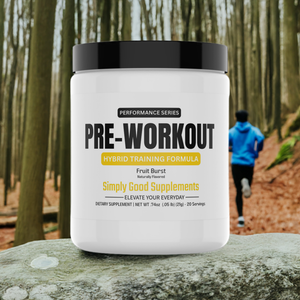
This is another problem with modern pre-workouts.
More ingredients look better on a label.
But combining:
Caffeine.
Nitrate.
Bicarbonate.
Beta-alanine.
Citrulline.
Alpha-GPC.
Taurine.
Tyrosine.
Theobromine.
Whatever else fits.
doesn't automatically create a better product.
Each ingredient should answer a question:
Why is this here?
What performance problem does it solve?
Is the dose appropriate?
Does it interact with anything else?
If you can't answer those questions, the ingredient may be there because the marketing department wanted another line on the label.
Supplements Need the Correct Dose
This is probably the biggest problem with multi-ingredient supplements.
Having the ingredient isn't enough.
The dose matters.
A product containing:
500 mg citrulline.
400 mg beta-alanine.
50 mg creatine.
A sprinkle of beet powder.
can technically list all four ingredients.
That doesn't mean it provides evidence-based amounts.
Read doses.
Not ingredient names.
Proprietary Blends Make This Worse
A proprietary blend might say:
Performance Matrix: 7,250 mg
Then list seven ingredients.
Great.
How much of each one?
No idea.
That's the problem.
If an ingredient works at a particular dose, you should know how much you're taking.
Transparency shouldn't be considered a premium feature.
Athletes Also Need to Think About Contamination
Competitive athletes have another concern.
Supplement contamination.
The IOC warns that supplements can expose athletes to prohibited substances and recommends careful risk assessment before use.
The AIS similarly emphasizes that supplement decisions should consider:
Safety.
Effectiveness.
Whether the substance is permitted.
If you're a drug-tested athlete, look for reputable third-party certification programs designed for sport.
The label saying "clean" isn't certification.
Trial Supplements in Training
This should be obvious.
It apparently isn't.
Never introduce a new performance supplement during an important competition.
Test:
Dose.
Timing.
GI tolerance.
Caffeine response.
Hydration strategy.
Carbohydrate intake.
Bicarbonate tolerance.
Nitrate products.
Everything.
The IOC specifically recommends trialing performance supplements under training conditions that resemble competition before using them in an event.
Your race is not a clinical trial.
Supplements Produce Small Advantages
This is the perspective that gets lost.
A good performance supplement might improve performance by a few percent.
Sometimes less.
That's valuable.
At a high level, 1% is enormous.
But:
Training.
Nutrition.
Sleep.
Body composition.
Technique.
Pacing.
Race strategy.
Consistency.
are doing the heavy lifting.
Supplements sit on top of those things.
They don't replace them.
The Best Performance Supplement Stack
There isn't one.
Sorry.
The best combination depends on:
Sport.
Event duration.
Training phase.
Body size.
Diet.
Caffeine tolerance.
Environment.
Competition rules.
GI tolerance.
Goals.
For a marathon runner, it might be:
Carbohydrate + caffeine + nitrate + electrolytes.
For a powerlifter:
Creatine + caffeine.
For an 800-meter runner:
Caffeine + beta-alanine + potentially bicarbonate.
For an ultrarunner:
Carbohydrate + caffeine + electrolytes, with everything else becoming considerably less important.
Build the stack around the event.
Don't build the event around the stack.
Want the Simple Version?
There are thousands of sports supplements.
Only a small number have strong evidence for directly improving performance.
That's why we created the Performance Enhancing Supplements Guide.
It breaks down:
Which supplements actually work.
What they're useful for.
Evidence-based doses.
Timing.
Who benefits most.
And which ingredients probably aren't worth your money.
Get the Performance Enhancing Supplements Guide →
You can also browse all of our free training programs and workout plans for endurance, running, strength, hybrid training, nutrition, and recovery.
Supplements can help.
Just make them earn their spot.
Frequently Asked Questions About Performance Supplements
What is the best supplement for athletic performance?
There isn't one universal best supplement. Caffeine has broad applications across many sports, while creatine is particularly effective for strength, power, and repeated high-intensity exercise. The best choice depends on the sport and event.
What supplements actually improve athletic performance?
The Australian Institute of Sport currently places caffeine, creatine, beta-alanine, dietary nitrate, sodium bicarbonate, and glycerol in its Group A category for performance supplements with strong evidence in specific situations.
How much caffeine should athletes take?
Approximately 2–3 mg/kg is enough for many athletes, although 3–6 mg/kg is commonly studied. Higher doses generally increase side effects without providing proportional additional benefits.
Should endurance athletes take creatine?
Creatine can be useful for endurance athletes who strength train, perform intervals, sprint, or need repeated high-intensity power. Potential increases in body mass should be considered for weight-sensitive endurance events.
Does beetroot improve endurance?
Dietary nitrate from beetroot can improve exercise economy and performance in certain athletes and events. A commonly studied acute dose is approximately 5–9 mmol nitrate consumed 2–3 hours before exercise.
Is beta-alanine good for endurance?
It's most useful for relatively high-intensity exercise where muscle acidosis contributes to fatigue. It's less relevant to long, low-intensity endurance exercise.
Does beta-alanine work immediately?
No. Beta-alanine works primarily by gradually increasing muscle carnosine concentrations. Daily supplementation over several weeks is more important than pre-workout timing.
Does sodium bicarbonate improve performance?
It can improve performance during certain high-intensity exercise bouts by increasing extracellular buffering capacity. GI distress is the biggest practical limitation.
Is citrulline worth taking?
Citrulline has some evidence for improving certain resistance-training and muscular-endurance outcomes, but the evidence isn't as established as it is for caffeine or creatine.
Do BCAAs improve athletic performance?
They're generally low priority when an athlete already consumes enough high-quality protein. They aren't considered one of the better-supported direct performance supplements.
Do electrolytes improve performance?
They can support hydration when sweat and sodium losses are significant. Their usefulness depends heavily on exercise duration, sweat rate, environmental conditions, and individual sodium losses.
Are pre-workout supplements worth it?
They can be if they contain useful ingredients at appropriate doses. Many rely primarily on caffeine while including numerous other ingredients at questionable doses. Evaluate the actual ingredient amounts rather than the length of the label.
Are sports supplements safe for drug-tested athletes?
No supplement is completely free of contamination risk. Competitive athletes should use reputable products and look for appropriate third-party sport certification. The IOC and AIS both emphasize supplement contamination and anti-doping risk.
About the Author
Matt Mosman, MS, CISSN, CSCS
Matt Mosman is the founder and Chief Science Officer of Simply Good Supplements. He holds a master's degree and is a Certified Sports Nutritionist through the International Society of Sports Nutrition (CISSN) and a Certified Strength and Conditioning Specialist (CSCS).
He's also an endurance athlete and supplement formulator.
Which means he spends an unreasonable amount of time looking at ingredient doses and asking the same question:
Does this actually do anything?
Sometimes the answer is yes.
Caffeine works.
Creatine works.
Nitrate can work.
Beta-alanine and bicarbonate can work in the right events.
Carbohydrate absolutely works.
A lot of everything else depends heavily on context.
That's not as exciting as saying every ingredient improves performance.
It is considerably more useful.
References
- Maughan RJ, Burke LM, Dvorak J, et al. IOC Consensus Statement: Dietary Supplements and the High-Performance Athlete. British Journal of Sports Medicine. 2018;52:439–455.
- Australian Institute of Sport. AIS Sports Supplement Framework: Group A. Group A includes supplements and sports foods with strong scientific evidence for use in specific sporting situations.
- Guest NS, VanDusseldorp TA, Nelson MT, et al. International Society of Sports Nutrition Position Stand: Caffeine and Exercise Performance. Journal of the International Society of Sports Nutrition. 2021;18:1.
- Kreider RB, Kalman DS, Antonio J, et al. International Society of Sports Nutrition Position Stand: Safety and Efficacy of Creatine Supplementation in Exercise, Sport, and Medicine. Journal of the International Society of Sports Nutrition. 2017;14:18.
- Australian Institute of Sport. Creatine: AIS Sports Supplement Framework.
- Australian Institute of Sport. Caffeine: AIS Sports Supplement Framework.
- Australian Institute of Sport. AIS Sports Supplement Framework Position Statement Contextual Information.
- Peeling P, Binnie MJ, Goods PSR, Sim M, Burke LM. Evidence-Based Supplements for the Enhancement of Athletic Performance. International Journal of Sport Nutrition and Exercise Metabolism. 2018;28(2):178–187.