The Best Supplements for Workout Recovery: What Actually Works?
TL;DR: Most recovery supplements are considerably less important than eating enough food, consuming adequate protein and carbohydrates, replacing significant fluid losses, and sleeping. Once those basics are covered, a handful of supplements can be useful depending on the type of training you're doing.
- Protein is the foundation when daily protein intake is inadequate.
- Carbohydrates matter when glycogen needs to be restored, especially between demanding endurance sessions.
- Creatine supports training adaptations and may have some recovery benefits, although that's not the main reason to take it.
- Electrolytes are useful when sweat and sodium losses are meaningful.
- Tart cherry may help in certain high-recovery-demand situations, but newer evidence is less impressive than some marketing suggests.
- Collagen or gelatin may be useful when connective-tissue adaptation is the target. Recent evidence is more encouraging at roughly 15–30 grams alongside vitamin C and appropriate loading.
- BCAAs become considerably less interesting when you're already eating enough high-quality protein.
- Magnesium isn't automatically a recovery supplement simply because you exercise.
- Supplements can't rescue terrible sleep, inadequate calories, or a poorly designed training program.
Want the condensed version? Use our Workout Recovery Supplements Guide for an evidence-based breakdown of which recovery supplements are worth considering and which ones probably aren't.
Recovery has become an entire industry.
Powders.
Pills.
Gummies.
Greens.
Reds.
Amino acids.
Antioxidants.
Sleep formulas.
Electrolytes.
Compounds extracted from fruits you've never heard of.
Apparently exercising causes such catastrophic damage that we now require a small pharmacy just to survive leg day.
Fortunately, recovery is considerably simpler than supplement marketing makes it sound.
Your body is remarkably good at recovering from exercise.
You just need to give it the raw materials and time to do it.
Supplements can help.
But we should probably establish what "recovery" actually means first.
What Does Workout Recovery Actually Mean?
Recovery isn't one process.
After a difficult workout, your body may need to:
Restore muscle glycogen.
Repair damaged tissue.
Stimulate muscle protein synthesis.
Replace fluid.
Replace electrolytes.
Reduce fatigue.
Restore neuromuscular function.
Adapt connective tissue.
Sleep.
Prepare for the next workout.
A supplement that helps one of these processes isn't automatically improving all of them.
That's important.
Reducing muscle soreness isn't necessarily the same thing as restoring muscle function.
Lowering a blood marker of muscle damage doesn't automatically mean you're recovered.
Feeling better doesn't always mean you're physiologically recovered.
And sometimes the training stress you're trying to "recover" from is exactly what stimulates adaptation.
The goal isn't eliminating every sign that you exercised.
It's recovering enough to continue training and adapting.
Start With Food Before Supplements
Before we discuss supplements, answer a few questions.
Are you eating enough calories?
Are you eating enough protein?
Are you eating enough carbohydrate for your training?
Are you drinking enough?
Are you sleeping enough?
If the answer to those questions is no, the supplement discussion becomes considerably less interesting.
You can't chronically underfuel training, sleep five hours per night, and then fix everything with tart cherry juice.
It would be convenient.
It just isn't how physiology works.
1. Protein
If we're ranking nutritional recovery priorities, protein belongs near the top.
Exercise, particularly resistance exercise, stimulates muscle protein synthesis.
Protein ingestion supplies amino acids needed to support that process.
The International Society of Sports Nutrition recommends approximately 1.4–2.0 grams of protein per kilogram of body weight per day for most exercising individuals, with higher amounts sometimes useful during calorie restriction.
For a 170-pound athlete, that's roughly:
108–154 grams of protein per day.
Many strength and endurance athletes will do well toward the upper end of that range.
How Much Protein Should You Eat After Training?
A practical target is approximately:
20–40 grams of high-quality protein
after training.
Larger athletes may benefit from the higher end.
Whole-body workouts involving a large amount of muscle mass may also justify larger servings.
But don't obsess over an exact post-workout number.
Daily protein intake matters more.
If you finish your workout at 10:00 and don't drink a protein shake until 10:47, your gains haven't packed their belongings and left.
Is Whey Protein Better for Recovery?
Whey is useful because it's:
High in essential amino acids.
Rich in leucine.
Quickly digested.
Convenient.
Relatively inexpensive.
That makes it an excellent post-workout protein source.
But chicken works.
Greek yogurt works.
Eggs work.
Milk works.
Beef works.
Soy works.
Protein powder is a food supplement.
It's convenient protein.
That's enough.
2. Carbohydrates
Carbohydrates might be the most underrated recovery nutrient among endurance athletes who spend all their time talking about supplements.
Hard endurance training depletes muscle glycogen.
Long runs do it.
Cycling does it.
Intervals do it.
High-volume resistance training can also meaningfully reduce glycogen.
If you're training again soon, restoring carbohydrate becomes important.
The shorter the recovery window between demanding sessions, the more important aggressive carbohydrate replacement becomes.
How Much Carbohydrate Do You Need After Training?
That depends on what you did and what you're doing next.
If you just ran 20 miles and have another demanding workout tomorrow morning?
Carbohydrate matters.
If you walked for 30 minutes and aren't exercising again for two days?
You probably don't need a specialized recovery drink.
For rapid glycogen restoration, sports-nutrition recommendations commonly use approximately:
1.0–1.2 g carbohydrate/kg/hour
during the first few hours after glycogen-depleting exercise when rapid recovery is necessary.
For most recreational athletes with 24 hours or more between demanding sessions, simply eating adequate carbohydrate throughout the day usually works fine.
Carbohydrate Plus Protein
Combining carbohydrate and protein after training makes sense.
Carbohydrate helps restore glycogen.
Protein supports muscle protein synthesis.
That's why traditional recovery meals work surprisingly well.
Rice + chicken.
Potatoes + beef.
Cereal + milk.
Fruit + Greek yogurt.
Or a carbohydrate and protein recovery drink when eating immediately isn't practical.
We somehow survived before every nutrient required its own bottle.
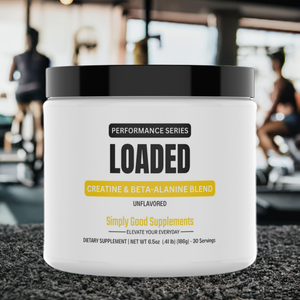
3. Creatine
Creatine is one of the most studied sports supplements available.
Its strongest evidence isn't really for recovery.
It's for improving:
Strength.
Power.
High-intensity exercise capacity.
Lean mass gains when combined with resistance training.
But creatine may also influence several aspects of recovery.
Research has examined potential effects on:
Muscle damage.
Inflammation.
Glycogen restoration.
Recovery of muscle function.
Results vary depending on the protocol.
So I wouldn't sell creatine primarily as a recovery supplement.
I'd take creatine because it improves training capacity and adaptation.
Any recovery benefit is a bonus.
How Much Creatine Should You Take?
Simple:
3–5 grams of creatine monohydrate per day.
You can load it if you want.
Approximately:
20 grams per day divided into four doses for 5–7 days
followed by 3–5 grams daily.
Or skip loading and take 3–5 grams daily.
You'll eventually reach similar muscle creatine saturation.
Creatine monohydrate is still the form I'd use.
No need to reinvent this one.
4. Electrolytes
Electrolytes matter.
But context matters more.
If you complete a 45-minute lifting session in an air-conditioned gym and barely sweat, you probably don't need 1,500 mg of sodium afterward.
If you just finished a three-hour summer trail run and your clothes look like someone dumped salt on them?
Different conversation.
Sodium is the primary electrolyte lost in sweat.
Sweat rates and sweat sodium concentrations vary substantially between athletes.
That's why individualized hydration strategies make sense.
When Are Electrolytes Most Useful?
Think:
Long-duration endurance exercise.
Hot weather.
Heavy sweating.
Multiple training sessions.
Competitions.
Athletes with high sweat sodium losses.
Rapid recovery between sessions.
You don't need to replace every milligram of sodium immediately.
But meaningful losses should eventually be replaced through fluids, food, and electrolyte products when appropriate.
5. Tart Cherry
Tart cherry became one of the more popular recovery supplements because it contains polyphenols, including anthocyanins.
Research has examined whether tart cherry can reduce:
Muscle soreness.
Inflammation.
Muscle damage.
Strength loss.
Performance impairment.
Earlier meta-analytic evidence was fairly encouraging. A 2021 analysis reported improvements in muscle soreness and recovery of muscular strength and power following strenuous exercise.
The newer evidence is more nuanced.
A 2026 meta-analysis of 19 trials found improvements in some measures of maximal voluntary contraction and C-reactive protein, but no significant pooled effects for muscle soreness, creatine kinase, IL-6, TNF-alpha, range of motion, or many other recovery outcomes. The certainty of evidence ranged from very low to moderate.
Another 2026 network meta-analysis found tart cherry showed one of the more consistent signals for reducing delayed-onset muscle soreness, but objective recovery benefits were much less consistent.
That's probably the fairest interpretation.
Tart cherry may help.
It's not a recovery miracle.
When Would I Use Tart Cherry?
I find it more interesting during periods where rapid recovery matters.
For example:
Multi-day races.
Tournament competition.
Back-to-back hard workouts.
Stage races.
Heavy training camps.
Very demanding eccentric exercise.
I find it less compelling as something every athlete needs every day for the rest of their life.
A 2026 evidence review reached a similar conclusion, suggesting tart cherry may be most useful as a targeted tool during high-recovery-pressure periods rather than a universal daily supplement.
That's a much more reasonable use.
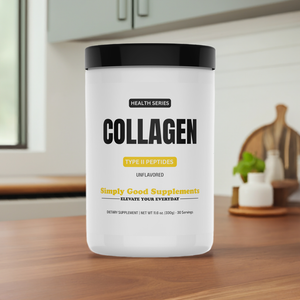
6. Collagen or Gelatin
Collagen gets marketed for almost everything now.
Skin.
Hair.
Nails.
Joints.
Tendons.
Probably Wi-Fi reception eventually.
For athletes, the most interesting area is connective tissue.
Tendons and ligaments contain large amounts of collagen.
Research has examined whether consuming collagen or gelatin around exercise can increase collagen synthesis and improve connective-tissue adaptations.
A 2026 systematic review of eight randomized controlled trials found that collagen supplementation combined with resistance or plyometric training showed encouraging effects on tendon cross-sectional area and stiffness. The higher-dose studies using roughly 15–30 grams per day tended to produce better tendon outcomes than studies using approximately 5 grams.
The review found no additional benefit for muscle strength.
That makes sense.
If your goal is muscle protein synthesis, I'd rather use a complete high-quality protein.
If your goal is connective tissue, collagen becomes more interesting.
How Would I Use Collagen?
A practical strategy based on the available research is approximately:
15 grams collagen or gelatin
plus:
50 mg or more vitamin C
around:
30–60 minutes before tendon-loading exercise.
Some studies have used higher collagen doses.
The important piece is combining supplementation with mechanical loading.
You don't rebuild a tendon by sitting on the couch drinking collagen.
Exercise provides the stimulus.
Nutrition supports the response.
7. Omega-3 Fatty Acids
Omega-3 fatty acids, particularly EPA and DHA, have been studied for inflammation, muscle soreness, muscle function, and muscle protein synthesis.
Some research suggests potential benefits.
But I wouldn't put fish oil in the same category as protein or carbohydrate for acute workout recovery.
If someone already consumes fatty fish regularly, additional supplementation may not be particularly important.
If dietary omega-3 intake is low, supplementation can make more sense for general nutritional reasons.
Potential recovery effects are secondary.
8. Magnesium
Magnesium has somehow become mandatory in every conversation about recovery.
Muscle sore?
Magnesium.
Didn't sleep?
Magnesium.
Tired?
Magnesium.
Leg cramped?
Obviously magnesium.
Magnesium is an essential mineral involved in hundreds of enzymatic reactions.
Deficiency matters.
But if your magnesium status is already adequate, taking increasingly large doses doesn't automatically improve exercise recovery.
Athletes who have low dietary magnesium intake may benefit from correcting that.
That's different from saying every athlete needs magnesium after every workout.
Food sources include:
Nuts.
Seeds.
Legumes.
Whole grains.
Leafy greens.
Some dairy products.
Supplement if there's a reason.
Not because Instagram said magnesium is "the missing recovery mineral."
9. BCAAs
Branched-chain amino acids include:
Leucine.
Isoleucine.
Valine.
Leucine plays an important role in stimulating muscle protein synthesis.
So BCAAs sound great.
Until you remember that complete proteins already contain BCAAs.
Whey protein contains plenty.
Meat contains them.
Dairy contains them.
Eggs contain them.
If you're consuming adequate high-quality protein throughout the day, adding isolated BCAAs becomes considerably less interesting.
Why provide three amino acids when you can provide all the essential amino acids required to actually build protein?
BCAAs aren't useless.
They're just often unnecessary.
What About EAAs?
Essential amino acids make more sense than BCAAs because they provide all nine essential amino acids.
EAAs can stimulate muscle protein synthesis.
They can be particularly useful when:
You don't want a full meal.
Training suppresses appetite.
You're training fasted.
Protein intake around training is inconvenient.
But if you're already eating 30 grams of high-quality protein?
You already got your EAAs.
Again, supplements fill gaps.
They don't need to duplicate everything you're already doing.
What About HMB?
HMB is a metabolite of leucine.
It has been studied for:
Muscle damage.
Muscle loss.
Strength.
Recovery.
The evidence appears more useful in certain populations and situations, such as:
Older adults.
Periods of muscle disuse.
Very demanding training.
Untrained individuals exposed to novel training stress.
For a well-trained athlete eating enough protein and following a sensible program, HMB isn't usually near the top of my recovery list.
Interesting?
Yes.
Essential?
No.
What About Glutamine?
Glutamine has been marketed as a muscle-recovery supplement for decades.
It sounds logical.
Glutamine is abundant in muscle.
Hard training can influence glutamine metabolism.
Therefore taking glutamine must build and repair muscle.
Unfortunately, biology occasionally refuses to cooperate with supplement marketing.
For healthy athletes eating adequate protein, glutamine isn't particularly impressive for increasing muscle mass or improving recovery from normal training.
It has other physiological roles.
It's just not a high-priority muscle recovery supplement.
What About Antioxidants?
This is where recovery becomes more complicated.
Exercise increases oxidative stress.
Therefore:
Antioxidants reduce oxidative stress.
Therefore:
More antioxidants = better recovery.
Seems logical.
Except exercise-induced oxidative signaling is also involved in training adaptation.
Suppressing those signals aggressively may not always be desirable.
This is why I'm cautious about chronic high-dose antioxidant supplementation around training.
Foods rich in antioxidants?
Absolutely.
Fruits.
Vegetables.
Berries.
Normal dietary intake.
Great.
Megadosing isolated antioxidants because you want to eliminate every molecule associated with exercise stress?
I'm less enthusiastic.
Exercise is supposed to create stress.
That's part of how training works.
Soreness Isn't the Same Thing as Recovery
This deserves its own section.
Muscle soreness is easy to measure.
"How sore are you?"
Easy.
But soreness doesn't necessarily tell us:
Whether glycogen is restored.
Whether muscle force has recovered.
Whether the nervous system has recovered.
Whether connective tissue has recovered.
Whether you're ready to perform.
A supplement might make you feel less sore without meaningfully improving performance recovery.
That's still potentially useful.
Feeling better matters.
But let's call it what it is.
The newest tart cherry research is a good example. Some evidence supports soreness reduction, while improvements in objective markers of muscle function and damage are less consistent.
That's why we shouldn't evaluate recovery supplements using one outcome.
What Are the Best Recovery Supplements for Runners?
For runners, I'd prioritize:
Carbohydrate
Especially after long runs and demanding workouts.
Protein
To support muscle repair and adaptation.
Electrolytes
When sweat losses justify them.
Creatine
Particularly for runners who also strength train, sprint, or care about maintaining strength and muscle.
Collagen
Potentially useful when connective-tissue adaptation is a priority.
Tart cherry
Potentially useful around races, unusually hard training, or short recovery windows.
That's already plenty.
What Are the Best Recovery Supplements for Strength Training?
My list becomes:
Protein
Creatine
Carbohydrate when training volume warrants it
Then maybe:
Collagen for connective-tissue goals
Tart cherry during unusually damaging training or short turnaround periods
Everything else becomes increasingly situational.
What About Hybrid Athletes?
Hybrid athletes have an interesting recovery problem.
You're asking your body to recover from:
Running.
Cycling.
Strength training.
Potentially high-intensity conditioning.
Sometimes all within the same week.
Your biggest nutritional challenge usually isn't finding a more exotic supplement.
It's eating enough.
Particularly enough carbohydrate.
Endurance training plus strength training creates substantial energy and glycogen demands.
Underfueling while trying to do everything is a remarkably effective way to feel terrible at all of it.
Recovery Supplements Ranked by Priority
If I had to organize them practically:
Tier 1: Get This Right First
Protein
Carbohydrate
Fluid
Electrolytes when needed
These aren't exciting.
They're just important.
Tier 2: Strong Reason to Consider
Creatine monohydrate
Not exclusively for recovery, but the overall performance and training evidence is strong.
Tier 3: Situation Dependent
Tart cherry
Collagen or gelatin
Omega-3s
EAAs
Useful depending on the athlete and situation.
Tier 4: Usually Lower Priority
BCAAs
HMB
Glutamine
Magnesium when intake is already adequate
They may have specific applications.
They're just rarely where I'd start.
The Recovery Supplement Nobody Wants to Hear About
Sleep.
Yes, I know.
It's not a supplement.
That's the point.
If you're spending $150 per month on recovery products while sleeping five hours per night, we've identified a budgeting issue.
Sleep supports:
Hormonal regulation.
Muscle recovery.
Cognitive function.
Immune function.
Training performance.
Appetite regulation.
General recovery.
Aim for enough sleep to support the amount of training you're doing.
For many adults that's somewhere around 7–9 hours per night, although individual needs vary.
You can't out-supplement chronic sleep deprivation.
A Simple Post-Workout Recovery Strategy
After a demanding workout:
Step 1: Protein
Consume approximately 20–40 grams of high-quality protein.
Step 2: Carbohydrate
Adjust carbohydrate intake based on how glycogen-depleting the workout was and how quickly you need to train again.
Step 3: Fluids
Replace meaningful fluid losses.
Step 4: Sodium
Replace substantial sodium losses through food, fluids, or electrolyte products when appropriate.
Step 5: Creatine
Take your normal 3–5 grams if you supplement with creatine.
Timing isn't particularly important.
Step 6: Eat an actual meal
Supplements aren't supposed to replace your diet.
Step 7: Sleep
Probably more useful than another powder.
Don't Try to Eliminate Training Stress
This is where recovery culture occasionally loses the plot.
You train to create stress.
Your body responds to that stress by adapting.
The goal isn't:
Train.
Immediately eliminate every sign that training happened.
The goal is:
Train.
Recover.
Adapt.
Repeat.
Muscle soreness isn't inherently bad.
Inflammation isn't inherently bad.
Oxidative stress isn't inherently bad.
They're physiological processes.
Chronic excessive stress is a problem.
Normal training stress is part of the signal.
Recovery strategies should support adaptation rather than becoming an obsessive attempt to erase it.
Want a Simpler Recovery Supplement Guide?
The supplement aisle gets confusing quickly.
That's why we created the Simply Good Supplements Workout Recovery Supplements Guide.
It breaks down which supplements have useful evidence, what they're actually good for, and when they're worth considering.
Get the Workout Recovery Supplements Guide →
You can also browse all of our free training programs and workout plans for running, strength, endurance, hybrid training, nutrition, and recovery.
Supplements can help.
Just don't start with supplements.
Start with the things that actually drive recovery.
Frequently Asked Questions About Workout Recovery Supplements
What is the best supplement for workout recovery?
There isn't one universal best supplement. Protein is the highest priority when dietary protein intake is inadequate. Carbohydrates become particularly important after glycogen-depleting exercise, while electrolytes matter when sweat losses are substantial.
Is protein powder necessary for recovery?
No. Protein powder is simply a convenient way to consume high-quality protein. Whole foods can provide the protein needed for recovery just as effectively when total intake is adequate.
How much protein should I eat after working out?
Approximately 20–40 grams of high-quality protein works well for many athletes, although body size and the amount of muscle trained can influence the ideal amount. Total daily protein intake remains the bigger priority.
Is creatine good for recovery?
Creatine is best established for improving strength, power, high-intensity exercise performance, and training adaptations. Some research suggests potential recovery benefits, but that's not the primary reason I'd recommend creatine.
Does tart cherry actually help recovery?
Possibly. Recent systematic reviews suggest tart cherry may improve certain recovery outcomes and may reduce delayed-onset muscle soreness, but effects on objective markers of muscle recovery are inconsistent.
How much tart cherry should I take?
Study protocols vary substantially, making a universal dose difficult to recommend. Many studies use concentrated juice or standardized powders for several days before and after demanding exercise. I'd follow the standardized product's polyphenol or anthocyanin dosing rather than simply comparing ounces of juice.
Is collagen good for workout recovery?
Collagen isn't a particularly good replacement for complete dietary protein for muscle recovery. It becomes more interesting when the goal is supporting tendon and connective-tissue adaptation. Recent research suggests approximately 15–30 grams combined with vitamin C and mechanical loading may support tendon remodeling.
Are BCAAs worth taking?
They're usually low priority when total protein intake is already adequate. Complete proteins provide BCAAs plus the other essential amino acids required for muscle protein synthesis.
Do electrolytes help muscle recovery?
Electrolytes help replace minerals lost through sweat and support fluid balance. They're most useful when sweat losses are substantial, particularly during long-duration exercise, heat exposure, or multiple training sessions.
Is magnesium good for muscle recovery?
Correcting magnesium deficiency is important. Additional magnesium isn't automatically going to accelerate recovery in someone who already consumes adequate magnesium.
What supplements reduce muscle soreness?
Tart cherry has some evidence for reducing delayed-onset muscle soreness. Other strategies may influence soreness as well, but reduced soreness shouldn't automatically be interpreted as complete physiological recovery.
What should runners take for recovery?
Start with adequate carbohydrate, protein, fluid, and sodium replacement when appropriate. Creatine, collagen, and tart cherry can then be considered based on training demands and goals.
What should I take immediately after a workout?
You don't necessarily need to take anything immediately. If rapid recovery is important, prioritize carbohydrate, protein, and fluid replacement soon after exercise. Otherwise, a normal meal within a reasonable timeframe works perfectly well.
About the Author
Matt Mosman, MS, CISSN, CSCS
Matt Mosman is the founder and Chief Science Officer of Simply Good Supplements. He holds a master's degree and is a Certified Sports Nutritionist through the International Society of Sports Nutrition (CISSN) and a Certified Strength and Conditioning Specialist (CSCS).
He also formulates supplements, which probably makes saying "you don't need most supplements" slightly questionable business strategy.
But that's the point.
A recovery supplement should have a reason for being there.
Protein when protein intake needs help.
Carbohydrate when glycogen needs replacing.
Electrolytes when sweat losses matter.
Creatine because the overall performance evidence is excellent.
More specialized ingredients when the situation actually calls for them.
If you can't explain why you're taking something, that's usually a good reason to reconsider whether you need it.
References
- Jäger R, Kerksick CM, Campbell BI, et al. International Society of Sports Nutrition Position Stand: Protein and Exercise. Journal of the International Society of Sports Nutrition. 2017;14:20.
- Kreider RB, Kalman DS, Antonio J, et al. International Society of Sports Nutrition Position Stand: Safety and Efficacy of Creatine Supplementation in Exercise, Sport, and Medicine. Journal of the International Society of Sports Nutrition. 2017;14:18.
- Daab W, Bouzid MA, Nassis GP, et al. Effects of Tart Cherry Juice Supplementation on Recovery from Exercise-Induced Muscle Damage in Athletes: A Systematic Review and Meta-Analysis. Sports Medicine Open. 2026;12:40.
- Hill JA, Keane KM, Quinlan R, Howatson G. Tart Cherry Supplementation and Recovery From Strenuous Exercise: A Systematic Review and Meta-Analysis. International Journal of Sport Nutrition and Exercise Metabolism. 2021;31(2):154–167.
- Kim J. Tart Cherry Supplementation for Exercise Recovery: An Evidence-Informed Narrative Review and Applied Monitoring Framework. Physical Activity and Nutrition. 2026;30(1):63–71.
- Collagen Supplementation on Tendon-Related Structural and Performance Outcomes: A Systematic Review. 2026. Eight randomized controlled trials involving 257 participants were included, with higher collagen doses showing the most promising effects on tendon cross-sectional area and stiffness.
- Comparative Effects of Plant-Derived Anthocyanin- and Flavanol-Rich Supplements on Recovery Outcomes After Exercise-Induced Muscle Damage: A Systematic Review and Network Meta-Analysis. 2026. Thirty trials involving 595 participants were included; tart cherry showed one of the more consistent signals for reducing DOMS, while objective recovery outcomes were inconsistent.
- Thomas DT, Erdman KA, Burke LM. Position of the Academy of Nutrition and Dietetics, Dietitians of Canada, and the American College of Sports Medicine: Nutrition and Athletic Performance. Journal of the Academy of Nutrition and Dietetics. 2016;116(3):501–528.