Heat Acclimation Calculator
Heat Acclimation Calculator
Build a personalized heat acclimation schedule to help prepare your body for training or racing in hot conditions.
Heat Acclimation for Runners: How to Prepare for Racing in Hot Weather
Running a marathon, ultramarathon, trail race, or triathlon in hot weather can feel dramatically harder than completing the same event in cool conditions.
Your heart rate climbs. You sweat more. Maintaining your normal pace becomes more difficult. Fluid losses increase. Even a pace that normally feels comfortable can suddenly feel unsustainable.
Fortunately, your body can adapt.
Repeated exposure to exercise in hot conditions produces a collection of physiological changes known as heat acclimation.
If you know your race is going to be hot, heat acclimation may be one of the most useful additions you can make to your race preparation.
Our free Heat Acclimation Calculator can help you determine when to begin and build a personalized heat training schedule leading into race day.
TLDR
Heat acclimation involves repeatedly exposing your body to exercise and heat before competing in hot conditions.
Research and consensus recommendations generally support repeated heat exposure over approximately 1 to 2 weeks, with longer protocols tending to produce more complete adaptations.
Current IOC recommendations suggest 60 to 90 minutes of heat exposure per day for at least two weeks when possible, with at least four sessions per week used to develop heat acclimation.
If you do not have two weeks, do not panic. Meaningful adaptations can begin within several days, and shorter protocols may still be beneficial.
The best method is generally training in conditions similar to those you will encounter during competition. When that is not practical, passive heat exposure or other methods that increase thermal strain may also be considered.
What Is Heat Acclimation?
Heat acclimation is the process of repeatedly exposing your body to heat so that it becomes better prepared to regulate temperature during future heat exposure.
Technically, scientists sometimes distinguish between heat acclimation and heat acclimatization.
Heat acclimation usually refers to adaptation produced in controlled or simulated environments.
Heat acclimatization generally refers to adaptation produced naturally by living or training in a hot environment.
For practical purposes, both involve the same basic concept:
Repeated exposure to heat causes your body to adapt.
Why Does Running In The Heat Feel So Hard?
Exercise generates a tremendous amount of heat.
Your body must continuously remove that heat to prevent core temperature from rising excessively.
One of your primary cooling mechanisms is sweating.
Sweat reaches your skin and evaporates, allowing heat to leave your body.
At the same time, blood flow to the skin increases to help transport heat from deeper tissues toward the surface.
That creates an interesting cardiovascular challenge.
Your working muscles want blood.
Your skin wants blood.
Your heart has to support both.
As dehydration develops, blood volume can also decline, making this cardiovascular challenge even greater.
The result is familiar to anyone who has attempted a hard summer run.
Your heart rate climbs even though your pace stays the same or becomes slower.
The workout feels harder.
Eventually, maintaining the same intensity becomes increasingly difficult.
Does Heat Reduce Endurance Performance?
Yes.
Heat is particularly problematic during prolonged endurance exercise.
A review examining performance in different environmental conditions found endurance performance was impaired in hot conditions.
This is why your normal marathon pace may not be realistic when race day temperatures suddenly climb.
The hotter the race becomes, the more important pacing, hydration, cooling, and heat preparation become.
What Happens When You Become Heat Acclimated?
Repeated heat exposure can produce several beneficial adaptations.
These can include improved cardiovascular stability, changes in sweating, improved heat dissipation, lower physiological strain at a given workload, and improved perception of heat.
Research has also found reductions in exercising heart rate and core temperature following heat acclimation.
Collectively, these changes can make exercising in hot conditions feel more manageable.
You are not becoming immune to heat.
You are becoming better prepared to handle it.
How Long Does Heat Acclimation Take?
You can begin adapting relatively quickly.
A meta-analysis examining heat adaptation protocols found that 7 to 14 days was the most commonly used duration, although beneficial adaptations occurred with shorter protocols as well.
Longer protocols generally produced greater adaptation.
Current IOC recommendations state that an optimal heat training period involves approximately 60 to 90 minutes of exposure per day for at least two weeks.
That does not mean anything shorter than 14 days is worthless.
If you only have seven days available, seven days of appropriate heat exposure may still be more useful than doing nothing.
The goal should be to use the time you have rather than attempting to compensate for a short preparation window with dangerously aggressive heat exposure.
How Many Heat Sessions Do You Need?
Current recommendations suggest at least:
Four heat acclimation sessions per week
to induce adaptation.
Once acclimated, approximately:
Two exposures per week
may help maintain those adaptations.
This is useful for athletes preparing well in advance of competition.
You do not necessarily need to complete your entire heat block immediately before your race.
Athletes may perform an acclimation block earlier and then use occasional heat exposure to help maintain their adaptations before briefly reacclimating near race day.
What Is The Best Heat Acclimation Method?
When practical, the most specific method is:
Exercise in an environment similar to the one you will encounter on race day.
If your marathon will be hot and humid, training in hot and humid conditions gives your body experience with that environment.
Specificity matters.
But not everyone lives somewhere hot.
A runner preparing for a hot race in July may still be training through a cool spring.
Fortunately, there are other ways to increase thermal stress.
Method 1: Train Outside In The Heat
This is the simplest approach when weather cooperates.
Instead of doing every workout early in the cool morning, deliberately perform selected easy sessions during warmer parts of the day.
The important word is selected.
You do not need to turn your hardest workouts into heat survival contests.
Heat adds stress.
An easy run performed in hot conditions can provide substantial thermal strain without combining an already demanding interval workout with extreme heat.
Method 2: Controlled Indoor Heat
Environmental chambers are commonly used in research and elite sports environments because temperature and humidity can be precisely controlled.
Most recreational athletes obviously do not have access to one.
Indoor cycling or treadmill running in a warm environment can provide a more accessible alternative, but athletes should be cautious about deliberately creating extreme conditions in poorly ventilated spaces.
The goal is controlled adaptation, not seeing how hot you can make yourself.
Method 3: Sauna
Sauna use following exercise has become popular among endurance athletes.
The concept is appealing because you can complete your normal workout without heat compromising the quality of the training session and then add passive heat stress afterward.
Passive heat exposure can produce heat related physiological adaptations.
However, research into post-exercise passive heat exposure is less definitive than research on exercising directly in the heat.
A recent systematic review and meta-analysis found some physiological changes associated with post-exercise heat exposure, but the effect on endurance performance in hot conditions was uncertain.
That does not mean sauna exposure is useless.
It means the evidence should be represented accurately.
When possible, actual exercise in conditions similar to your competition remains highly specific.
Method 4: Hot Water Immersion
Hot water immersion after training is another passive strategy.
Like sauna use, it allows an athlete to complete a normal training session first and add thermal stress afterward.
This may be useful for athletes who do not have reliable access to hot outdoor conditions.
Again, passive heat should be approached progressively.
More heat is not automatically better.
Should You Wear Extra Clothes To Heat Train?
Additional clothing can reduce heat loss and increase thermal strain.
This can be useful when environmental temperatures are relatively cool.
However, it also makes overheating easier.
If you use additional clothing, the goal should be to create a controlled heat stimulus rather than wrapping yourself in as many layers as possible.
Start conservatively.
How Hard Should Heat Acclimation Workouts Be?
Most athletes do not need to perform their hardest workouts in extreme heat.
Heat itself creates additional physiological stress.
An easy run can therefore become a meaningful heat training session.
This can be particularly important during the final weeks before a race when you are trying to maintain fitness without accumulating unnecessary fatigue.
Think of heat acclimation as an additional training stimulus.
You need enough stimulus to promote adaptation without creating so much stress that recovery and normal training begin to suffer.
A Sample 14 Day Heat Acclimation Schedule
A simple schedule might look something like this:
Day 14: Easy heat session.
Day 13: Normal training.
Day 12: Heat session.
Day 11: Heat session.
Day 10: Recovery.
Day 9: Heat session.
Day 8: Normal training.
Day 7: Heat session.
Day 6: Heat session.
Day 5: Recovery.
Day 4: Heat session.
Day 3: Short heat exposure or normal training.
Day 2: Easy taper.
Day 1: Rest or very light preparation.
Race Day: Use your practiced heat, hydration, fueling, pacing, and cooling strategies.
The exact schedule should depend on your normal training plan, race demands, environmental conditions, and experience.
That is why our Heat Acclimation Calculator adjusts the schedule based on your available time and heat exposure options.
What If You Only Have 7 Days?
Use them.
Short term heat acclimation protocols can still produce meaningful adaptations.
Research suggests that five or more days may be sufficient to produce some changes in heart rate and core temperature responses.
A week is therefore not an all or nothing situation.
Just do not make the mistake of thinking:
"I only have seven days, so I'll make every session twice as hot."
Adaptation requires stress followed by recovery.
Extreme exposure increases risk without guaranteeing better results.
Can You Start Heat Acclimation A Month Before A Race?
Yes.
This can actually be useful when performing a large heat block immediately before competition would interfere with tapering or travel.
Heat adaptations gradually decay when exposure stops, but they do not disappear overnight.
Research also suggests that reacclimation occurs faster than the initial adaptation.
An athlete could therefore complete a more substantial heat block several weeks before competition, maintain some exposure, and then perform several reacclimation sessions closer to race day.
Hydration Becomes Even More Important
Heat training increases sweating.
Heat acclimation itself can also improve your sweating response.
That means fluid and electrolyte planning becomes increasingly important.
You should not approach heat acclimation as a dehydration competition.
Starting workouts significantly dehydrated can increase physiological strain and impair your ability to tolerate heat.
Instead, begin appropriately hydrated and learn how much fluid you actually lose.
One of the best ways to do this is by measuring your sweat rate during training.
We recommend pairing your heat preparation with our Sweat Rate Calculator and Hydration Calculator so you can build a strategy based on your actual losses rather than guessing.
Do You Need More Sodium When Training In The Heat?
Potentially.
Sweat contains both water and electrolytes, including sodium.
When sweat losses increase, total sodium losses can increase as well.
Two athletes can also lose very different amounts of sodium even when they produce similar amounts of sweat.
That means there is no universal sodium number that is perfect for everyone.
Your fluid intake, sweat rate, sweat sodium concentration, exercise duration, diet, and environmental conditions all matter.
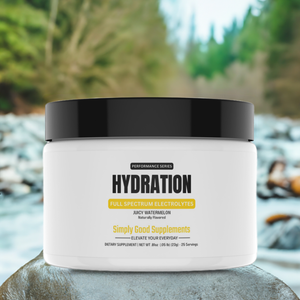
Our Hydration formula can also provide a convenient source of fluid supporting electrolytes during hot training and racing.
Practice Your Race Day Hydration Strategy
Heat acclimation provides a perfect opportunity to practice drinking during hot conditions.
Do not wait until race day to discover:
How much fluid your stomach tolerates.
How quickly you sweat.
How often you need to drink.
Whether your bottles stay cold.
How much sodium you consume.
How you will refill bottles.
What aid stations provide.
Your heat acclimation block should prepare both your physiology and your race strategy.
Cooling Strategies Can Help Too
Acclimation is not the only tool available.
Cooling strategies can help reduce thermal strain before or during competition.
Depending on the event, these may include cold drinks, ice, cooling towels, ice bandanas, cold water, shade, and other practical cooling methods.
Precooling can also reduce the amount of heat stored before exercise begins.
The best strategy often combines:
Heat acclimation + appropriate pacing + hydration + fueling + cooling.
Heat Acclimation Does Not Make You Invincible
This is extremely important.
Becoming heat acclimated does not eliminate the possibility of heat illness.
Extreme heat can overwhelm even highly trained and acclimated athletes.
Pay attention to environmental conditions and your body's response.
Concerning symptoms such as confusion, loss of coordination, fainting, severe weakness, or other signs of serious heat illness should never be treated as something you simply need to "push through."
Performance is never worth ignoring a potentially dangerous heat illness.
Use Our Free Heat Acclimation Calculator
Instead of guessing when to begin heat training, use our free Heat Acclimation Calculator.
Enter your:
Race date.
Expected race temperature.
Current training climate.
Available heat training method.
Available days per week.
Heat training experience.
The calculator will build a personalized heat preparation schedule leading into race day.
It will also tell you whether your available preparation window is optimal, good, short, or limited.
The goal is not to make heat training harder than necessary.
The goal is to arrive on race day better prepared for the conditions you are actually going to face.
Frequently Asked Questions
How long does heat acclimation take?
Meaningful adaptations can begin within several days, but approximately one to two weeks of repeated exposure is commonly recommended. Longer protocols generally produce more complete adaptations.
Is 7 days enough for heat acclimation?
Seven days can produce useful adaptations, although a longer protocol may produce greater overall adaptation.
How many heat training sessions should I do?
Current recommendations suggest at least four heat acclimation sessions per week when attempting to induce adaptation.
How long should a heat acclimation session last?
IOC guidance describes approximately 60 to 90 minutes of daily heat exposure as an optimal approach when practical. Individual sessions should still be adjusted for experience, environment, training load, and safety.
Should I run hard during heat acclimation?
Not necessarily. Heat creates additional physiological stress, so easy or moderate sessions can provide a meaningful heat stimulus without unnecessarily compromising recovery.
Can I use a sauna for heat acclimation?
Passive post-exercise heat exposure can produce physiological adaptations and may be useful when hot outdoor training is unavailable. Evidence for direct improvements in endurance performance from passive heat exposure remains less certain than evidence supporting exercise heat acclimation.
Can I heat acclimate too early?
Heat adaptations gradually decay after exposure stops, but they do not disappear immediately. Athletes can perform a heat block several weeks before competition and use periodic exposures or a short reacclimation period closer to race day.
Does heat acclimation increase sweating?
Heat adaptation commonly alters the sweating response, allowing the body to dissipate heat more effectively during exercise.
Should I intentionally dehydrate during heat training?
No. Severe deliberate dehydration is unnecessary and increases physiological strain. Athletes should generally begin training appropriately hydrated and develop a fluid strategy appropriate for their individual sweat losses.
Does heat acclimation prevent heat stroke?
No. Heat acclimation can reduce physiological strain and improve heat tolerance, but it does not eliminate the risk of exertional heat illness.
References
- Racinais S, Hosokawa Y, Akama T, et al. IOC consensus statement on recommendations and regulations for sport events in the heat. British Journal of Sports Medicine. 2023;57:8–25.
- Racinais S, Alonso JM, Coutts AJ, et al. Consensus recommendations on training and competing in the heat. Scandinavian Journal of Medicine & Science in Sports. 2015;25 Suppl 1:6–19.
- Tyler CJ, Reeve T, Hodges GJ, Cheung SS. The effects of heat adaptation on physiology, perception and exercise performance in the heat: a meta-analysis. Sports Medicine. 2016;46:1699–1724.
- Périard JD, Racinais S, Sawka MN. Adaptations and mechanisms of human heat acclimation: applications for competitive athletes and sports. Scandinavian Journal of Medicine & Science in Sports. 2015;25 Suppl 1:20–38.
- Daanen HAM, Racinais S, Périard JD. Heat acclimation decay and re-induction: a systematic review and meta-analysis. Sports Medicine. 2018;48:409–430.
- Solomon TPJ, Laye MJ. The effect of post-exercise heat exposure (passive heat acclimation) on endurance exercise performance: a systematic review and meta-analysis. BMC Sports Science, Medicine and Rehabilitation. 2025;17:4.