Best Protein for Older Adults: 235 Studies Reveal the Best Choice for Muscle
Getting older doesn't have to mean getting weaker.
Yet after age 50, adults naturally begin losing muscle mass and strength—a process that accelerates with each passing decade. This age-related muscle loss, known as sarcopenia, doesn't just make everyday activities harder. It also increases the risk of falls, fractures, loss of independence, hospitalization, and even premature death.
The encouraging news? Muscle loss isn't inevitable.
One of the most comprehensive nutrition studies ever published suggests that the right combination of protein and exercise can dramatically improve muscle health—even later in life.
Researchers recently analyzed 235 randomized controlled trials involving more than 20,000 older adults to determine which types of protein and exercise programs produced the greatest improvements in muscle mass, strength, and physical function.
The results were surprisingly clear.
Why Muscle Loss Happens as We Age
Beginning around age 30, adults gradually lose muscle mass.
After age 50, that decline speeds up, and by the time many people reach their seventies and eighties, they've lost a significant percentage of their muscle tissue.
Several factors contribute to this decline:
- Reduced physical activity
- Lower anabolic hormone levels
- Chronic low-grade inflammation
- Decreased appetite
- Lower overall protein intake
- Anabolic resistance, meaning aging muscles become less responsive to dietary protein
Because older muscles don't respond as efficiently to protein, they often require larger, higher-quality protein doses to maximally stimulate muscle protein synthesis.
That's why nutrition becomes increasingly important with age.
What Is Sarcopenia?
Sarcopenia is the progressive loss of muscle mass, strength, and physical function associated with aging.
It affects millions of older adults worldwide and is now recognized as a major public health concern.
People with sarcopenia often experience:
- Difficulty climbing stairs
- Trouble standing from a chair
- Slower walking speed
- Reduced balance
- Increased fatigue
- Greater risk of falls
- Loss of independence
Fortunately, sarcopenia is one of the most treatable age-related conditions when addressed early through exercise and proper nutrition.
The Largest Protein Analysis Ever Conducted
Rather than studying just one supplement, researchers performed a systematic review and network meta-analysis.
That means they combined data from 235 randomized controlled trials, allowing them to compare multiple protein sources—even when those proteins weren't directly compared within individual studies.
Overall, the analysis included more than 20,000 adults, most between 65 and 75 years of age, with participants ranging from healthy older adults to those living with frailty or sarcopenia.
The Protein Sources Compared
Researchers evaluated ten different protein interventions, including:
- Whey protein
- Milk protein
- Soy protein
- Casein
- Collagen
- Meat protein
- Rice protein
- Oat protein
- Protein-enriched meals
- Mixed dietary protein strategies
They also compared these proteins when combined with different exercise programs, including:
- Resistance training
- Aerobic exercise
- Multicomponent training (strength, balance, and aerobic exercise)
This allowed researchers to identify not only which protein worked best, but which protein-and-exercise combination produced the greatest results.
The Clear Winner: Whey Protein + Resistance Training
Across nearly every analysis, one combination consistently rose to the top:
Whey protein plus resistance training.
Compared with regular care, this combination produced the greatest improvements in muscle mass and ranked highest among all treatment strategies.
Researchers found that whey protein combined with resistance training achieved the highest probability of being the best intervention for increasing lean muscle, outperforming resistance training alone and most other protein sources.
That's a significant finding because it reinforces what sports nutrition researchers have suggested for years:
Resistance training builds the foundation, while high-quality protein helps maximize the results.
Why Whey Protein Performs So Well
Not all proteins are created equal.
Whey has several advantages that make it particularly effective for older adults.
Rich in Leucine
Leucine is the amino acid that acts as the "on switch" for muscle protein synthesis.
Older adults generally require more leucine than younger adults to fully stimulate muscle growth.
Whey naturally contains one of the highest leucine concentrations of any dietary protein.
Fast Digestion
Whey is rapidly digested and absorbed, allowing amino acids to reach muscles quickly after eating or exercise.
This rapid availability may enhance the muscle-building response following resistance training.
Complete Essential Amino Acid Profile
Unlike some plant proteins, whey contains all nine essential amino acids in optimal proportions for supporting muscle maintenance and growth.
Resistance Training Still Matters Most
One of the biggest misconceptions is that protein alone builds muscle.
This study reinforces that exercise remains the primary driver of muscle growth.
Protein works best when muscles receive a training stimulus.
Across hundreds of studies, combining protein supplementation with resistance exercise consistently produced greater improvements than protein alone or exercise alone.
In other words:
Protein doesn't replace lifting weights—it enhances the benefits of lifting weights.
Soy Protein Was Better Than Many People Expect
One of the more interesting findings involved soy protein.
Although whey generally ranked highest for muscle mass, soy protein combined with resistance training performed extremely well for improving muscle strength, especially handgrip strength.
This is an important reminder that high-quality plant proteins can still support healthy aging, particularly when paired with regular resistance exercise.
However, whey maintained the strongest overall evidence across both muscle mass and multiple strength outcomes.
How Much Protein Did Most Studies Use?
Despite including hundreds of studies, the protein prescriptions were surprisingly consistent.
Most trials provided approximately:
- 20–30 grams of protein per serving
- Often immediately after exercise
- Daily supplementation throughout the intervention
Average whey protein intake was approximately 26 grams per day, while most interventions lasted around 12 weeks, although some extended much longer.
Should Older Adults Take More Protein?
One of the biggest questions people ask is:
"How much protein do I actually need as I get older?"
While the Recommended Dietary Allowance (RDA) for protein is 0.8 grams per kilogram of body weight per day, many researchers now believe this amount is simply the minimum needed to prevent deficiency—not the amount that optimizes muscle health during aging.
Because older adults experience anabolic resistance, their muscles become less responsive to protein. As a result, many experts recommend aiming for 1.2–1.6 g/kg/day, particularly for active adults or those trying to preserve muscle mass.
For a 170-pound (77 kg) adult, that works out to roughly:
- Minimum RDA: ~62 g/day
- Healthy aging target: ~92–123 g/day
The studies included in this analysis commonly supplemented participants with 20–30 grams of high-quality protein per serving, often immediately after resistance training.
Is Collagen Enough?
Collagen has become incredibly popular for supporting healthy skin and joint health.
But if your goal is building or maintaining muscle, collagen shouldn't be your primary protein source.
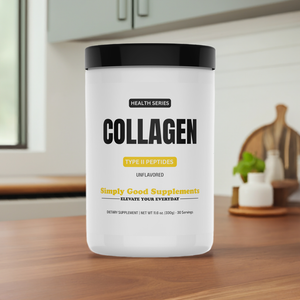
Although this review found that collagen combined with resistance training produced positive results compared with doing nothing, it generally did not outperform whey protein for increasing muscle mass.
Why?
Because collagen is an incomplete protein.
Unlike whey, collagen contains very little leucine and lacks several essential amino acids needed to maximally stimulate muscle protein synthesis.
That doesn't mean collagen isn't useful—it simply serves a different purpose.
A good rule of thumb:
- Whey protein: Muscle growth, recovery, strength
- Collagen: Tendons, ligaments, cartilage, skin
Many people can benefit from using both—but they shouldn't expect collagen to replace a complete protein after exercise.
Three Mistakes Older Adults Make With Protein
1. Not Eating Enough Protein
Many adults unknowingly consume most of their protein at dinner while eating very little at breakfast or lunch.
Instead, aim to spread protein across the day.
A practical goal is 25–35 grams per meal.
2. Skipping Strength Training
No supplement can replace exercise.
Resistance training provides the signal that tells your muscles to grow stronger.
Protein simply helps maximize that response.
Even two or three resistance-training sessions per week can make a meaningful difference.
3. Waiting Too Long After Exercise
While the "anabolic window" is probably larger than once believed, consuming a high-quality protein within a couple of hours after training remains a simple way to support recovery.
Many of the studies in this review provided protein immediately before or after exercise sessions.
Practical Takeaways
If you're over 50 and want to maintain muscle, this enormous review points toward a surprisingly simple strategy:
✅ Perform resistance training consistently.
✅ Consume enough total protein every day.
✅ Include a high-quality protein source—especially after workouts.
✅ Aim for approximately 20–30 grams of protein per serving, depending on your overall protein goal.
The combination of whey protein plus resistance training consistently ranked among the most effective interventions for improving muscle mass and strength across hundreds of clinical trials.
The Bottom Line
Aging may be inevitable, but losing muscle doesn't have to be.
This comprehensive review of 235 randomized controlled trials involving more than 20,000 older adults reinforces one of the clearest messages in nutrition science:
Protein works best when paired with resistance training.
Among the many protein sources studied, whey protein consistently demonstrated the strongest evidence for increasing muscle mass, while soy protein also performed well for improving strength. Combined with regular resistance exercise, these proteins can help older adults maintain muscle, improve physical function, and stay active for years to come.
If you're looking for one of the simplest investments you can make in your long-term health, lifting weights a few times each week and consistently meeting your daily protein needs is a great place to start.
References
- Protein Supplementation Combined with Exercise Training for Muscle Health in Older Adults: A Systematic Review and Network Meta-Analysis of 235 Randomized Controlled Trials. Nutrients. 2026.
- Dietary Protein and Healthy Aging — Dietary protein recommendations for older adults.
- Stuart M. Phillips. Protein requirements and muscle protein synthesis in aging.
- International Society of Sports Nutrition. Position Stand: Protein and Exercise.